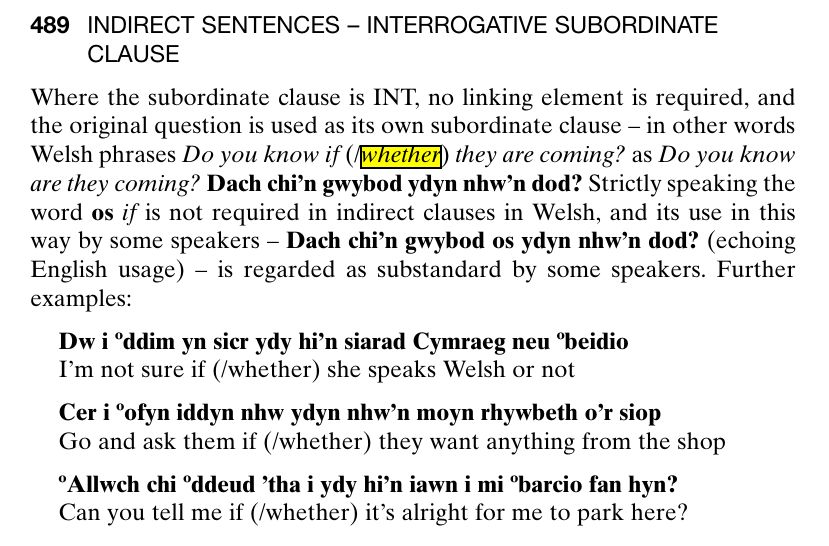
Yeah, the ‘a’ is definitely optional here, according to the oracle (Gareth… not the orangwtang…)
3 Likes
Very useful! Diolch!
OK, deep in the dictionary weeds here:
- dillad, plural - clothes
- dilledyn, singular - garment, single piece of clothing
- dilladau, double plural - ?
Dilladau doesn’t seem to get used much online, if Google is anything to go by. But when it is, it seems to mean “range of clothing”, as in “Roedden nhw’n modelu dilladau mewn sioe ffasiynau”.
Does that interpretation seem correct?
I’ve never heard dilladau used myself, but a quick search found it in a newspaper from 1910:
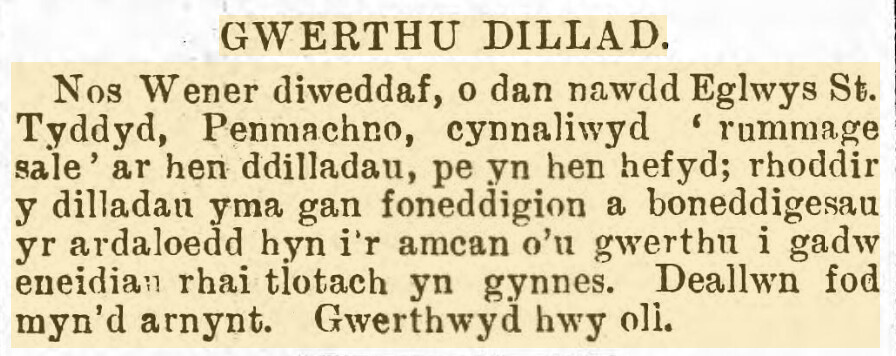
It seems to mean “different sets of clothes” - donated by different people, I presume.
I have never come across the word “dilladau” before. The Geiriadur Prifysgol Cymru seems to agree that it exists as a plural, but it doesn’t crop up at all in the Corpws Cenedlaethol Cymraeg Cyfoes. Given that examples that you and Deborah have been able to find, I would personally file that one under “archaic” and/or “very formal”.
1 Like
Yes, most of the entries I saw in Google were dictionary listings, so it definitely seems to have passed out of common usage.
This is one that continues to catch me out on its regular appearances in the Infinite Revision.
Can someone help me understand why the “Oedd” ( it has been “Mae” in some other examples) is disassociated from the state it is referring to, which comes at the end of the sentence?
I think once I understand what is going on with the Welsh syntax I’ll start getting it right.
I always fall into the trap of saying “Dweddod ta pwy…anodd OEDD yn gwbl gywir.”, which is a direct translation of the English which I know can quite often be incorrect.
For background, the English says “Whoever said it would be difficult was absolutely correct”
Many thanks
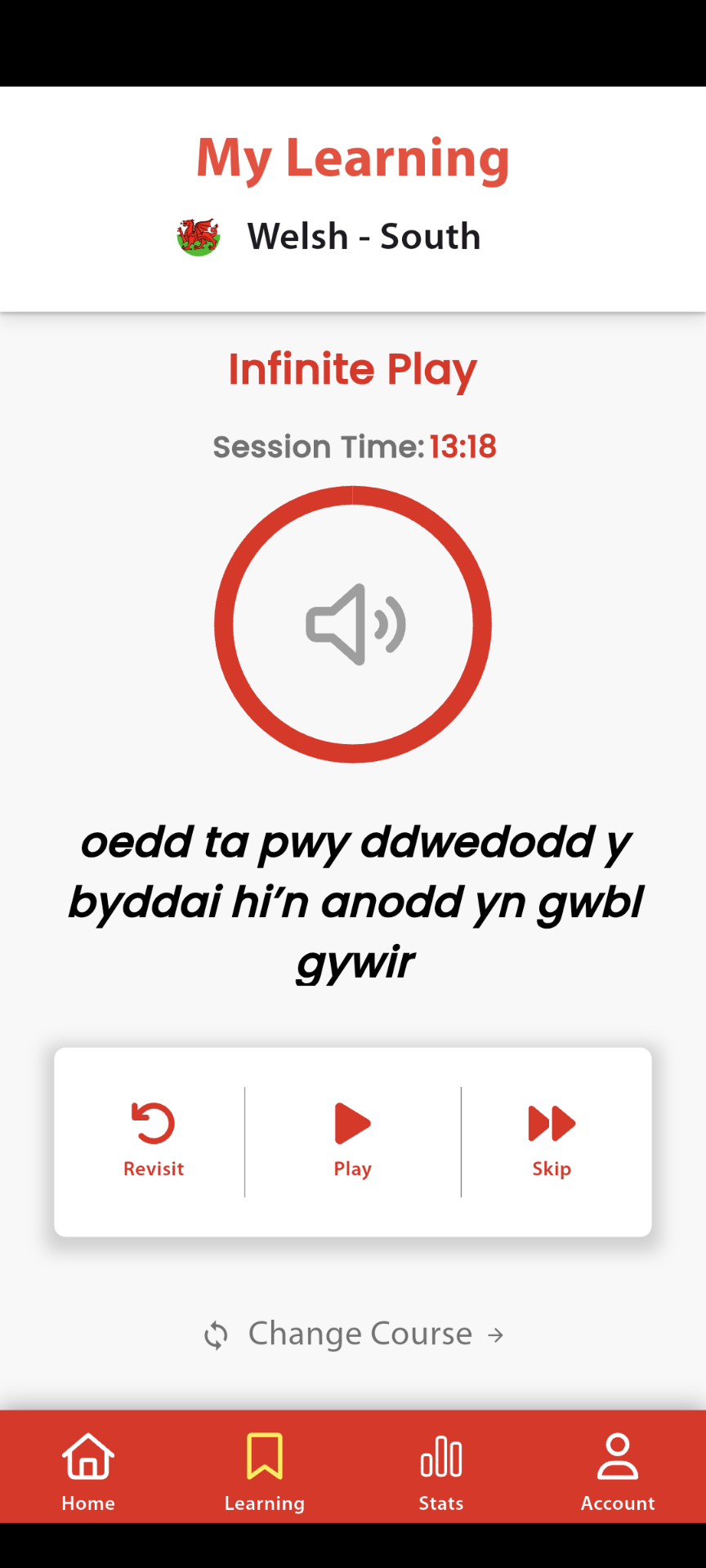
In shorter sentences the word order is more obvious but it’s actually exactly the same as in these longer sentences.
Consider this progression -
Oedd [o] yn gwbl gywir____________ o is the person
Oedd [y dyn] yn gwbl gywir________y dyn is the person
Oedd [brawd Mr Jones] yn gwbl gywir______________brawd Mr Jones is the person
Oedd [y bachgen gyda llygaid glas] yn gwbl gywir_________y bachgen gyda llygaid glas is the person
So in your example, [ta pwy ddwedodd y byddai hi’n anodd] is the person replacing o / y dyn / brawd Mr Jones / y bachgen gyda llygaid glas, and it is perhaps just the fact that there is a second verb in there that could be throwing you off, because in all of the above the oedd is still associated with the state it’s referring to (i.e. yn gwbl gywir), it’s just separated by a longer description of the person.
5 Likes
Thank you. That is really helpful. And yes it was the length of the sentence which threw me. It will take me some time to adjust to the Welsh way of thinking
2 Likes
You just pick whichever one you like, and if anyone picks you up on it you retort indignantly that your great-aunt Angharad of beloved and cherished memory, who lived in rural Powys all her life and spoke practically no English ever, always used it as a [insert the gender you have chosen], and for you therefore it will always and forever be a [insert same gender again].
9 Likes
Ah, Great-Auntie Angharad!  A dear, sweet old lady, I’m sure.
Sweet but scary, as I am sure you can imagine.
1 Like
I wouldn’t want to argue with her!
No indeed - espcially on the subject of genders of nouns!
3 Likes
Can someone help me with this one please.
I was expecting …bo hi’n dwp… here but no “that” clause.
Thank you.
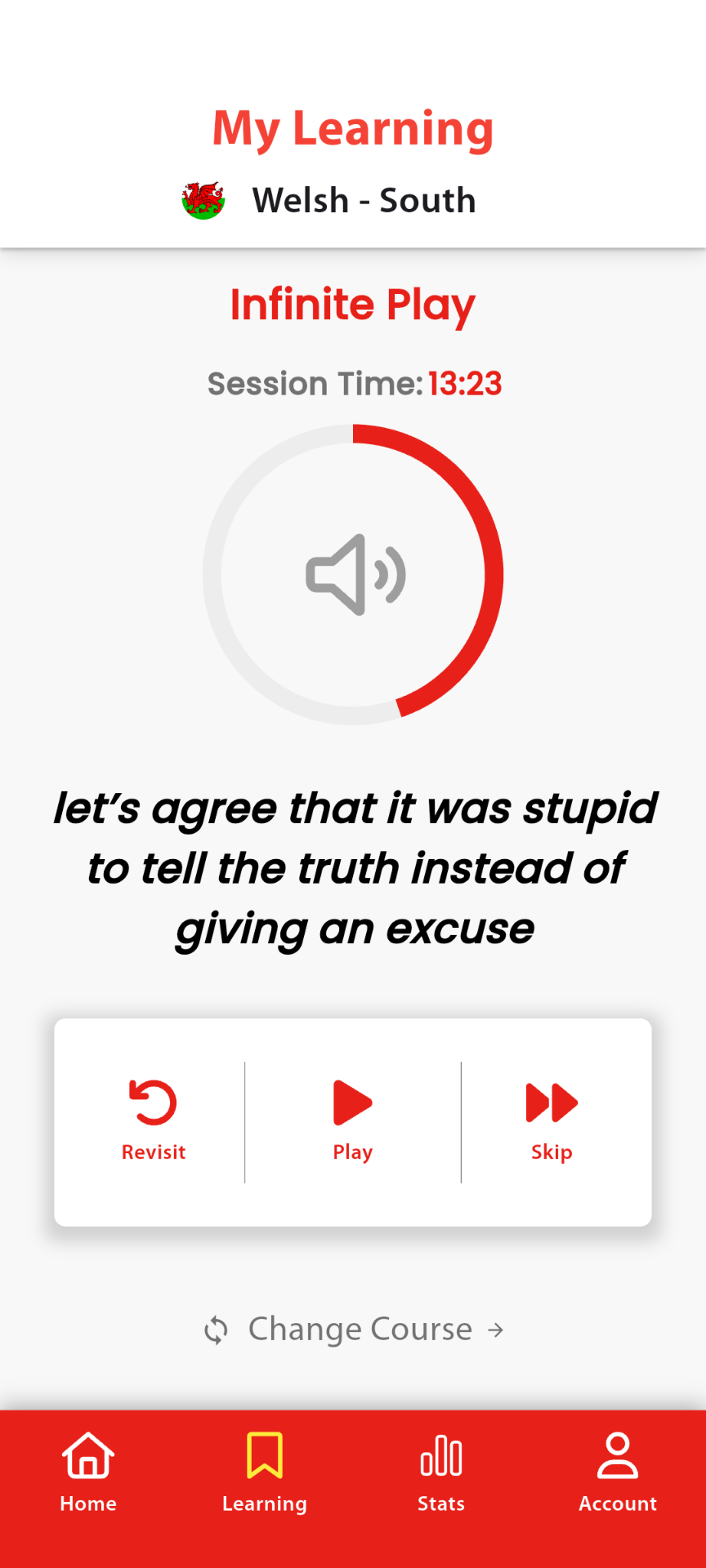
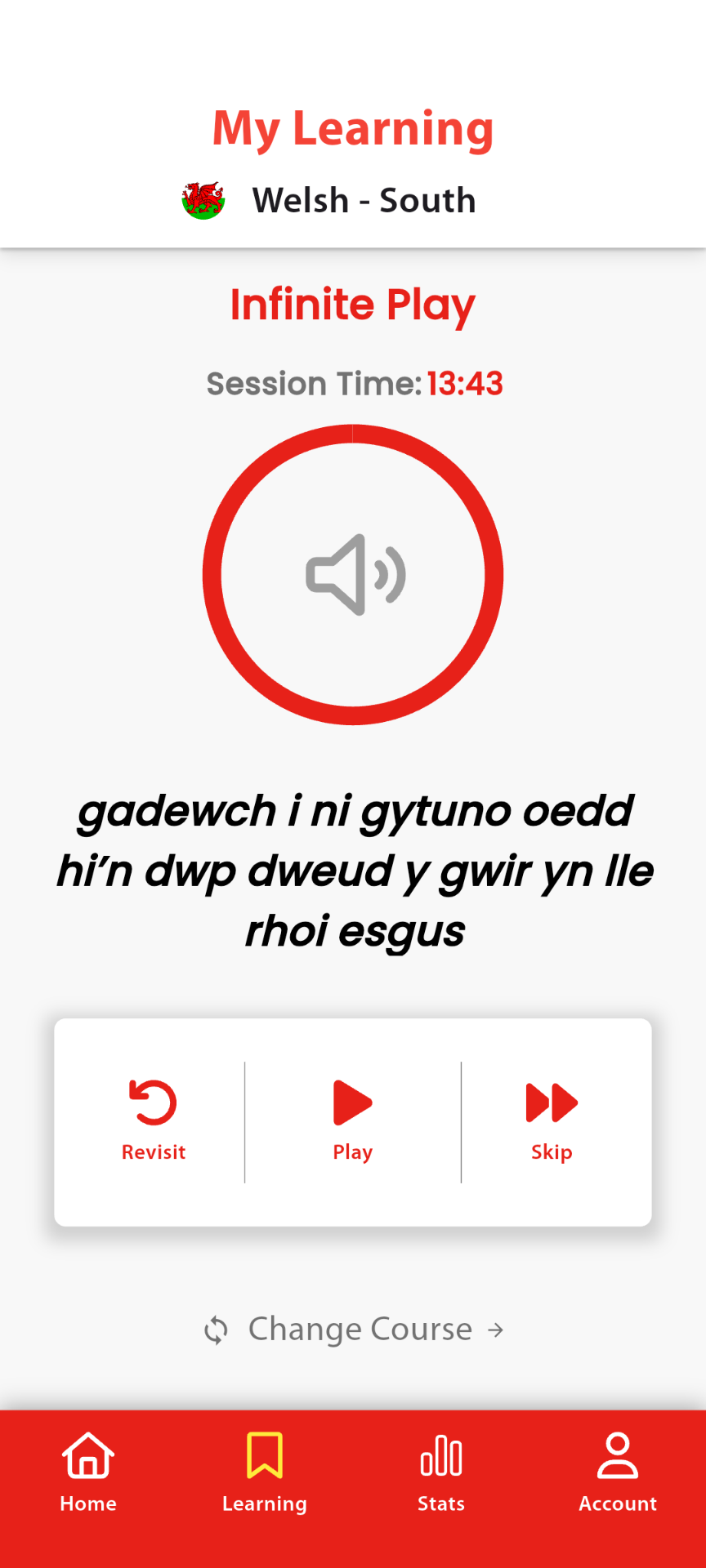
You only need the ‘bo’ in the present tense. When the second part starts with a different tense - in the past in this case - there can be a little linking word, but it’s rarely said in speech, so you can just carry on assuming the ‘that’. Similar to English in that way.
1 Like
Thanks for the quick reply.
I’m sure you right.
The only problem is it blows up some of my understanding of the use of “bod” ! (just I thought I was getting there, for example, using “y”’ and “na/nag” where appropriate).
So you are saying translating something like:
“I think (that) he was wrong” as
"Dw I’n meddwl bo’ fe’n anghywir’ is wrong.
But for something like
“I think that he broke the car”
Would you say
“Dw I’n meddwl wnaeth e dorri’r car”?
And not
'dw I’n meddwl fod e’n torri’r car"
Thanks again for your help.
There are cases where ‘bod’ is sort of ‘timeless’ and it picks up the time setting from the first part, e.g. o’n i’n meddwl bo fe’n dod - in English, we’d say ‘I thought he was coming’, but in Welsh the part starting with ‘bod’ is understood to be in the past.
But, if the first part is in the present and you want to indicate a different time in the second part, then you can’t just use ‘bod’ and need to show when you’re talking about.
dw i’n meddwl oedd e’n anghywir - I think that he was wrong. What you’ve put above would be “I think that he’s wrong”
With your second example, you run into another nice little feature of Welsh where you can say dw i’n meddwl iddo fe dorri’r car. That also puts the second part into the past, so ‘I think he broke the car’, and
You could also say dw i’n meddwl fod e wedi torri’r car - I think he has broken the car.
I hope that hasn’t just added to the confusion.
1 Like
Thank you. That really does help.
1 Like
I just realised that I’m used to say “y bore 'ma” but “yr wythnos hon”. Are 'ma and hon/hwn completely interchangeable in this context, ie all the following are valid?
| 'ma | hon/hwn | ||
|---|---|---|---|
| y bore 'ma | y bore hwn | ||
| yr wythnos 'ma | yr wythnos hon | ||
| y penwythnos 'ma | y penwythnos hwn | ||
| y mis 'ma | y mis hwn |
1 Like