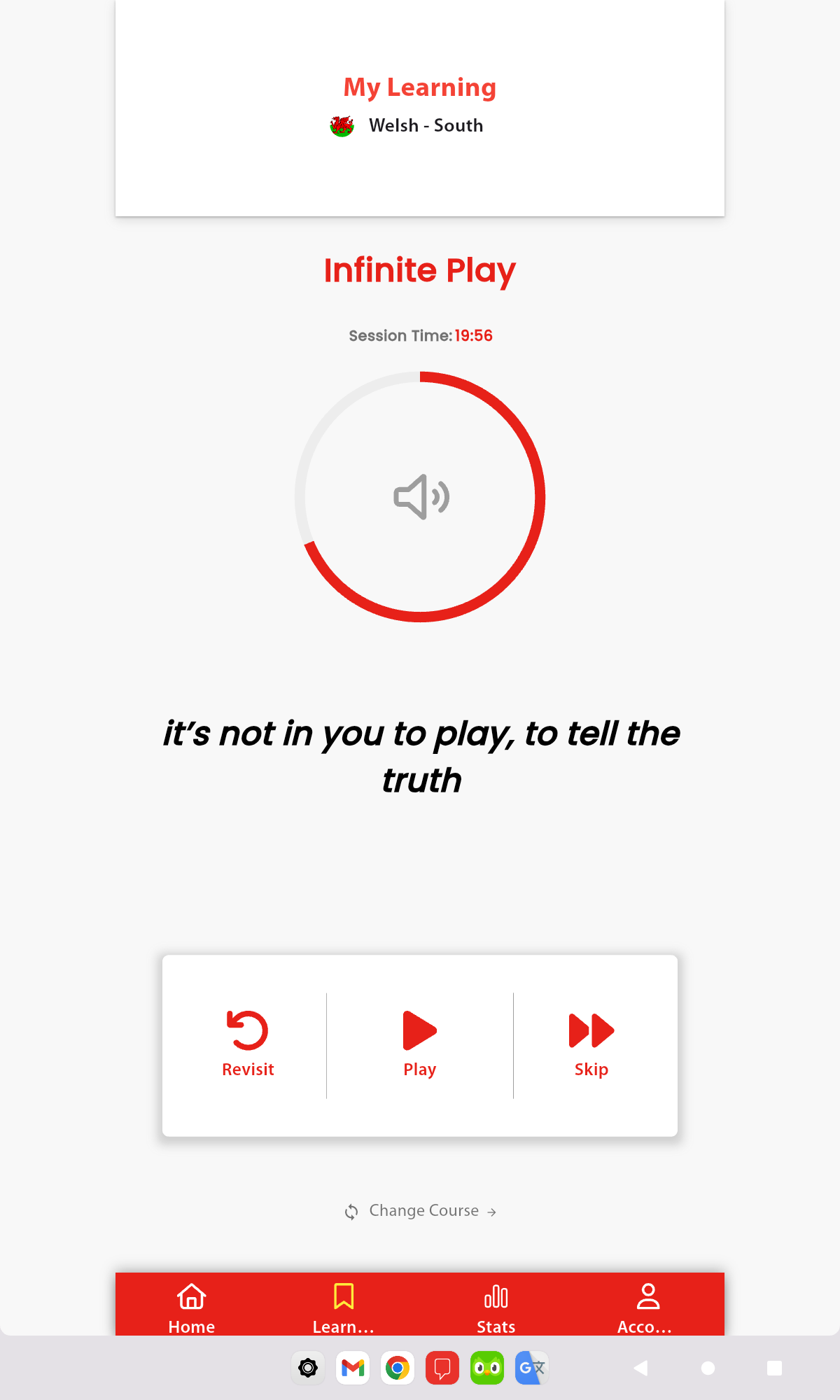
I just looked up a new word, llofnodi on Gweiadur. It says, “torri enw, yn enwedig ar ddogfen swyddogol; arwyddo to sign” and now I have a new question.
I have never seen torri used in this way. It usually means to break or to cut and I just can’t see how that applies to signing documents. Is it a typo? Are there other instances torri is used like this?
It’s not a form I’d say was commonly used (llofnodi and arwyddo are by far the most used), but yes, torri (in an expanded ‘cut’ way) can also mean “to form, carve, engrave, write” so here it’s the same as saying “to carve your name”
Another example is torri geiriau = to articulate.
I can’t say I’ve ever heard it said differently to ‘gween gwin’ as you say. Unless they were actually saying gwyn gwin. You do sometimes come across local quirks, and I must admit because I don’t drink these days I’m in drinking environments infrequently, but I can’t imagine why they’d say it that way round and I’ve certainly never heard anyone do that.
I became curious about this so I looked up ‘torri’ in A Dictionary of Welsh and English Idiomatic Phrases and found a few more interesting expressions:
torri amod / torri gair - to break one’s word/promise
torri bedd - to dig a grave
torri bol eisiau dweud - to be dying to say something
torri cnau gweigion - to do something that’s a waste of effort
torri dadl - to settle an argument
torri ei syched - to quench his/her thirst
torri’n gareiau - to criticize strongly
and that’s just a selection! There’s heaps more! @verity-davey
Siarad is used with â, eg, Dw i’n siarad â fy ffrind. Now, I know that in the inflected future the pronoun can be dropped: Siarada â fy ffrind, but is it also acceptable to include the pronoun? Siarada i â fy ffrind? If not, how do you know which verbnouns drop the pronoun and which don’t? Is it just verbnouns that are used with prepositions?
In speech, including or dropping the pronouns is an individual preference, there’s no rule about them only being used with certain verbnouns. Officially/formally (writing, etc) the pronouns technically should be included, but even then they are sometimes left out because people often write as they speak.
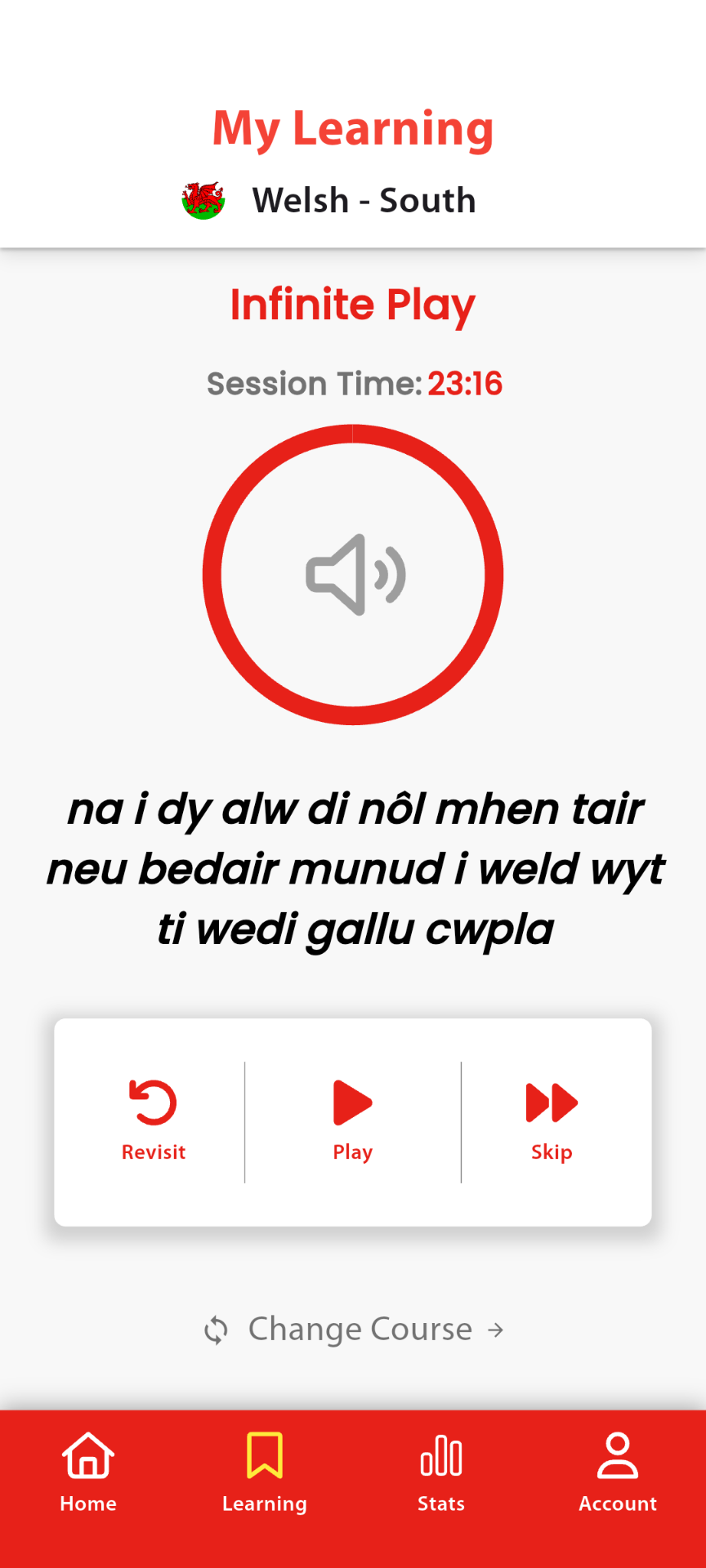
I’d say that the 'e’s having fallen off/faded from gwefrwch and eich might be a likely explanation for “gw frwch” and “ich”, and that somehow yma has become “na”, maybe because it was shortened to ma and then either the first half of the ‘m’ has fallen off/faded, or it’s a typo because m and n are next to each other on a keyboard. . “fei” has somehow come from dyfais (possibly spelt dyfeis in Llanelli dialect?).
This was a something that hasn’t been formally covered in the automagic material to my knowledge but I’ve posted here for confirmation and information.
When translating this sentence, I automatically inserted “os” for “if”. You’ll notice that nothing appears in the translation.
I then remembered from somewhere that when “if” means “whether” then you don’t use “os” although many do. So I was expecting “a” for “whether” but that was missing too. Maybe it’s optional?
Can someone confirm what is going on here please?
If what I said is correct it would be useful for this to be covered in the formal automatic teaching material. It would be very difficult for a learner to be able to work out what is going on imo.
Thanks for flagging that up! I would say ‘a’ meaning ‘whether’ in that case. To me it feels a bit odd without it, but perhaps some people say it like that.
We’re definitely going to revamp the Welsh courses - from the equivalent of Level 3 onwards, so these little things will be dealt with then.
The Level 3 material starts at the beginning of Black Belt, so the plan is to extend Black to incorporate more material, maybe with ‘dans’ or something like they do in karate. I don’t think it’s definitely decided what they’ll be called yet.