Thanks again Nigel - I’ve asked Ivan to pop in and have a look at this - we’re very grateful for your help 

From today "d(d)wy ferch introduced as if for the first time. There has been lots of “Mae gyda ni dwy ferch etc” in earlier belts
There are also some major sound problems around the introduction of “ynoch chi” (in you) and subsequent phrases which make it unintelligible.
Regards
Nigel
“tasen I ond” - “if only I” introduced some time after its first usage in several phrases e.g. Tasen I ond yn gallu etc
Ok so here are the ones I picked up today.
In the first two examples the English is not spoken although the disruptive sound I heard in some other examples (most featuring “ynoch chi”) was present
In the third example “bu bron iddi” (she almost) was
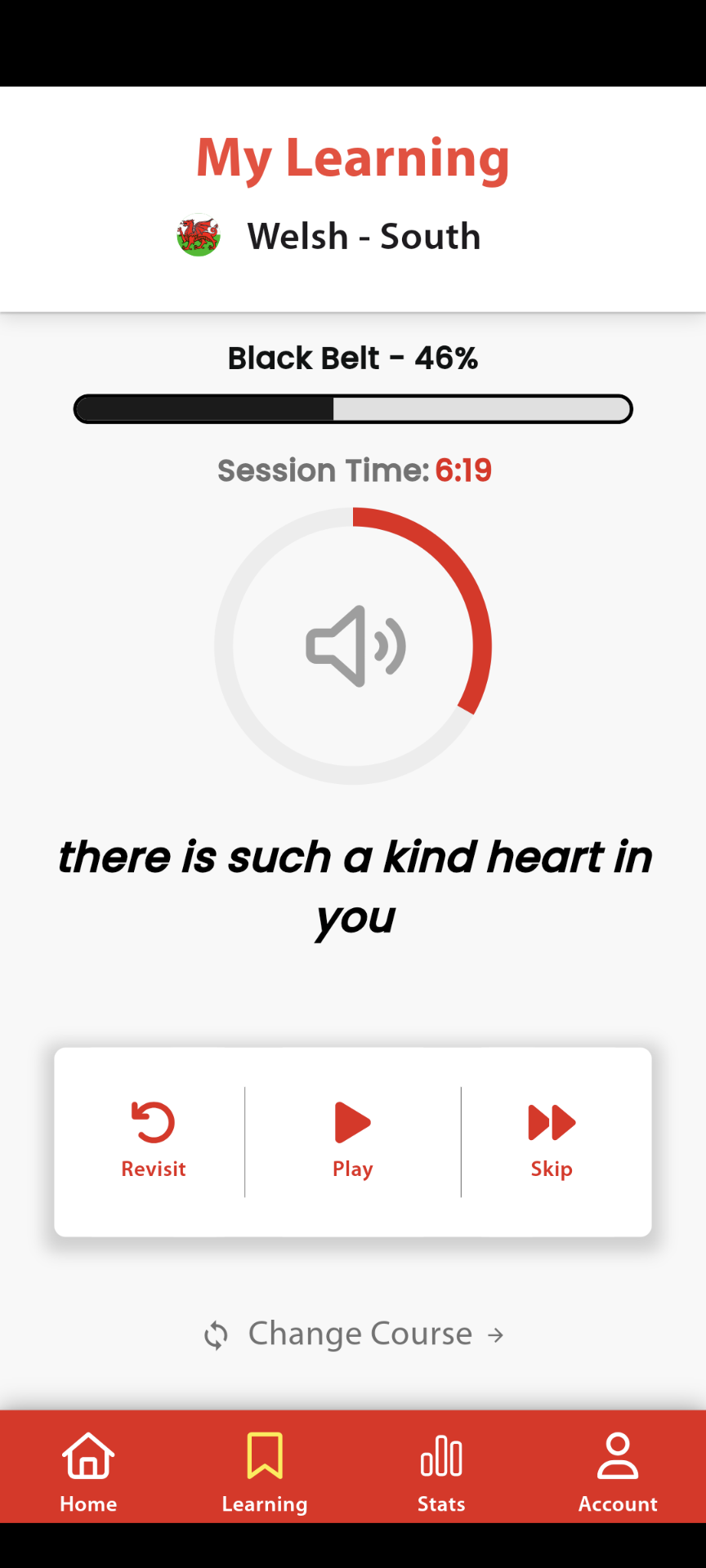
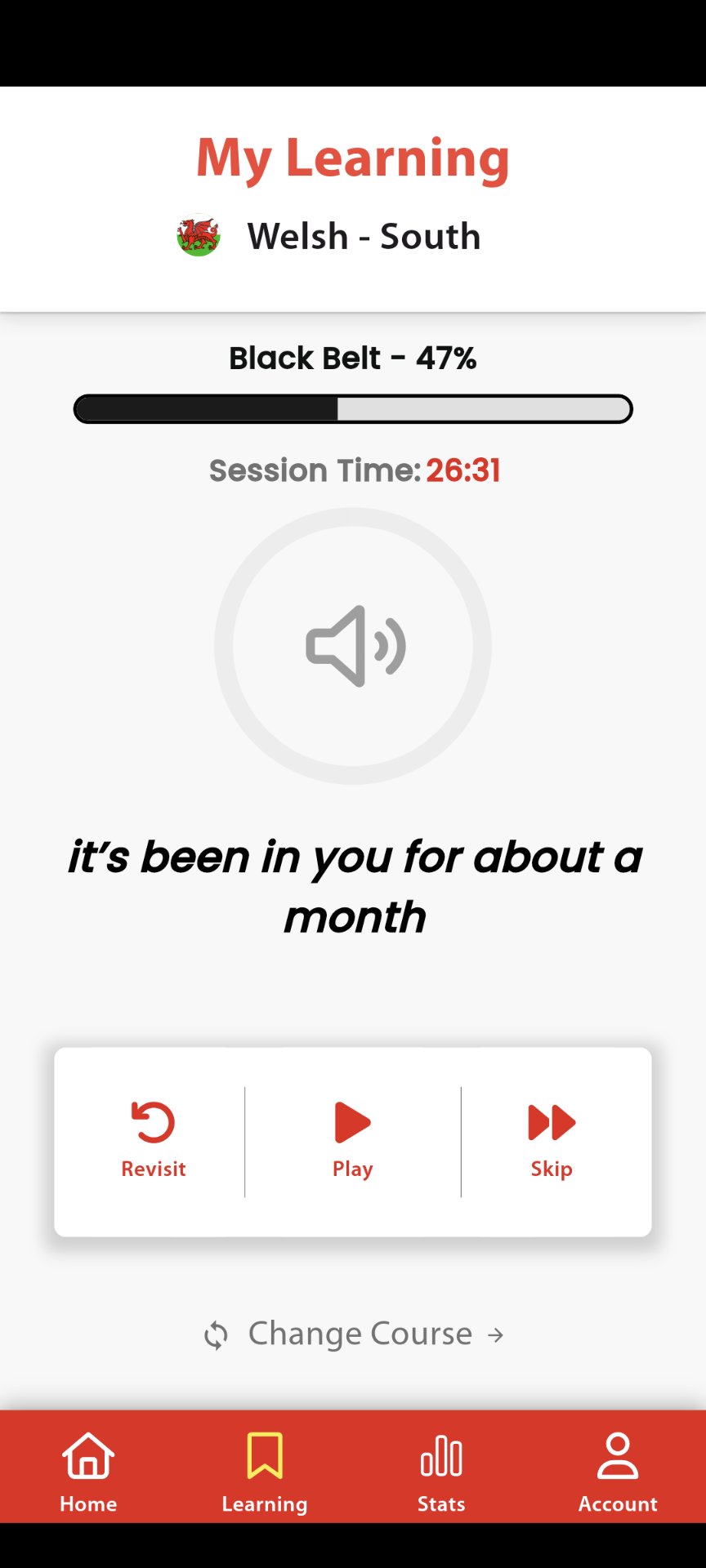
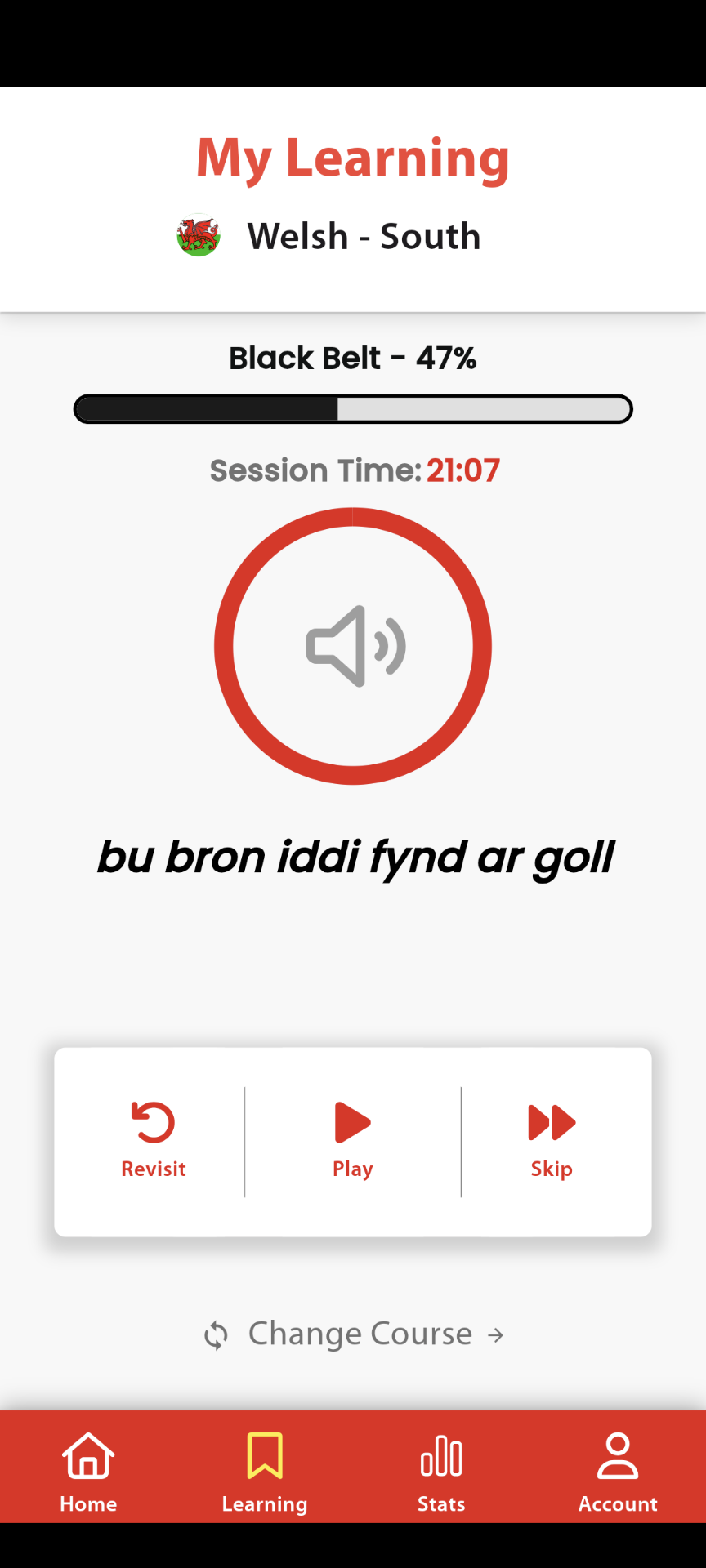
used in several sentences before formal introduction. That threw me I can tell you!
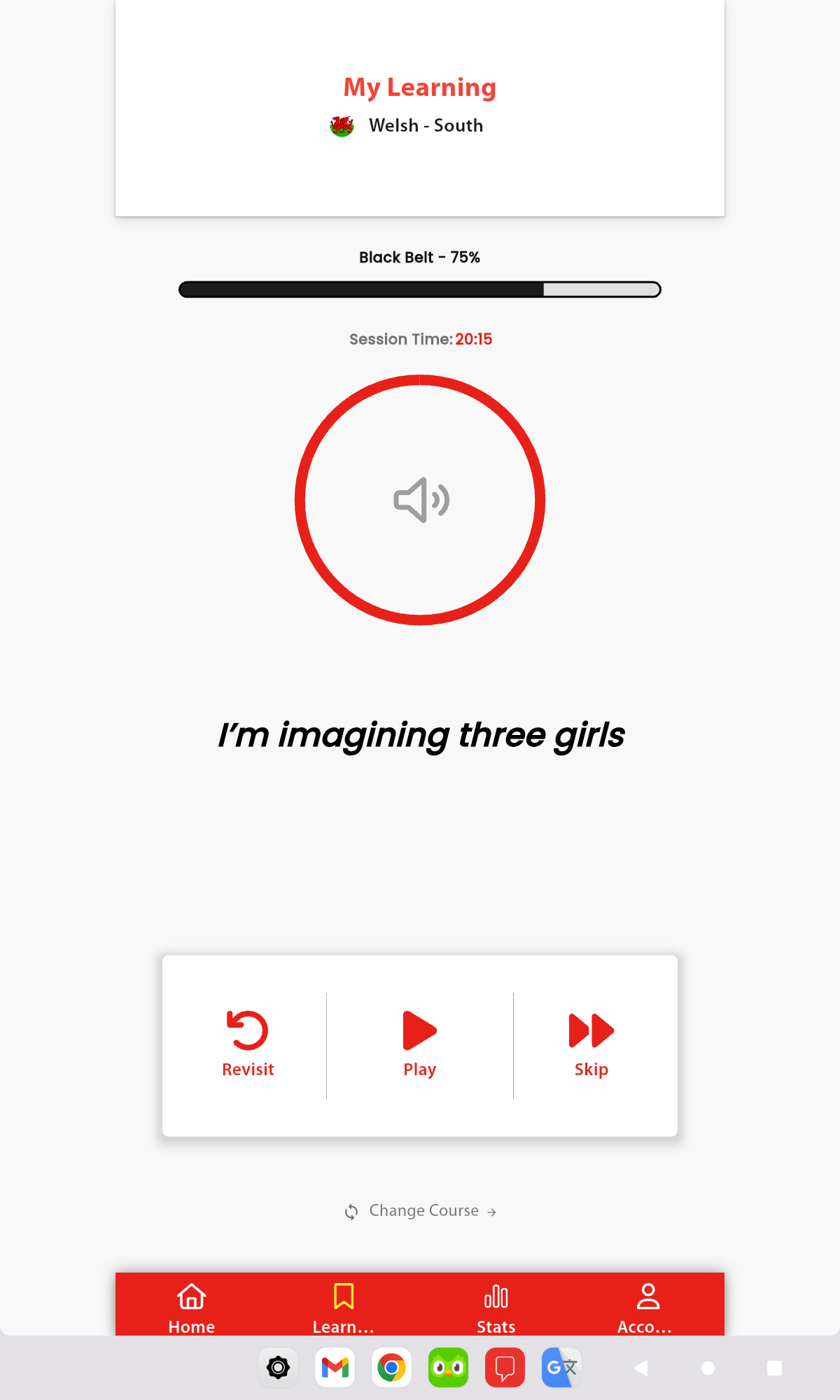
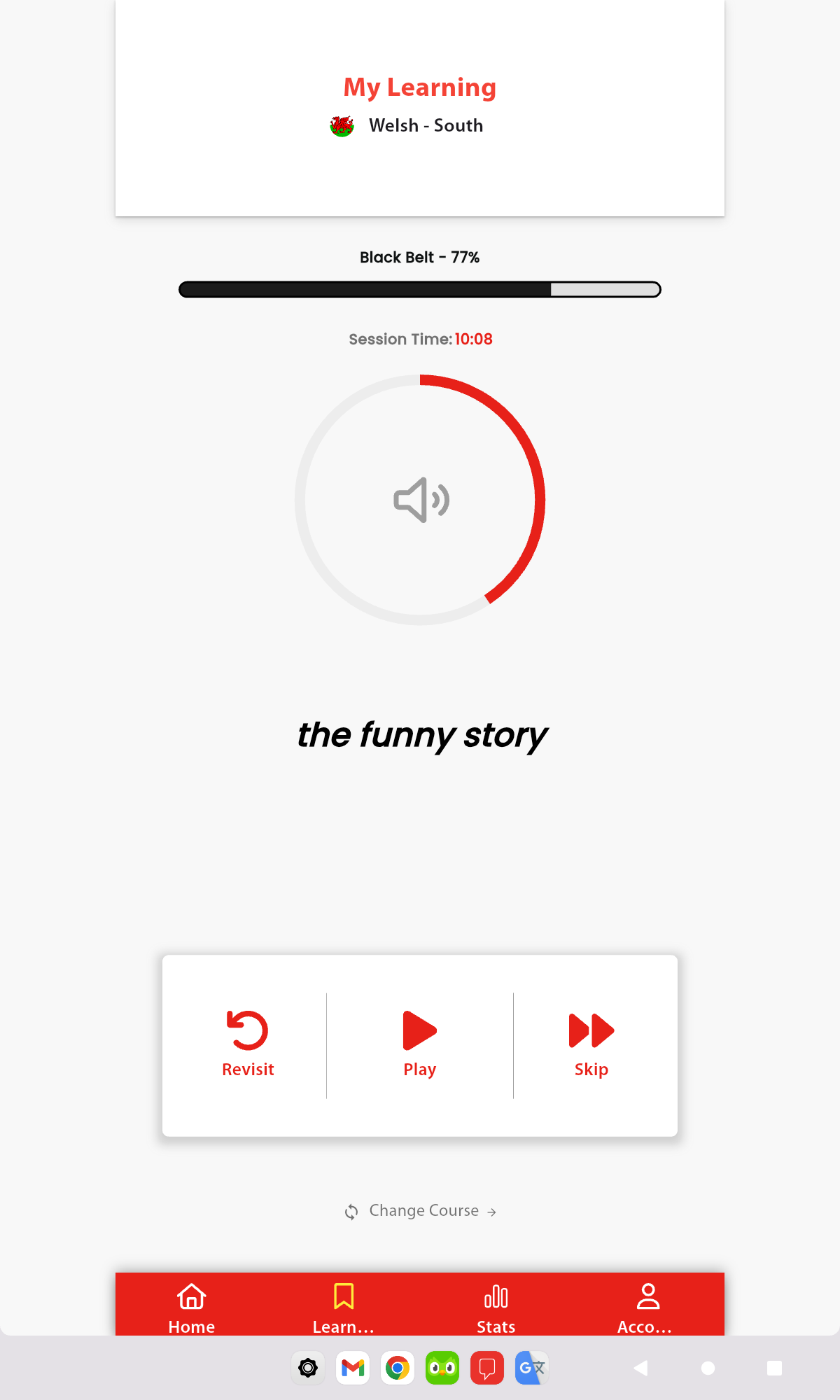
From today, a couple of silent English models. (First and last screen shots)
Then the introduction of “trwbwl” and “mae’n gas da fi” (I hate) without explanation. "Mae’n gas… " was formally introduced later.
You like to keep us on our toes don’t you.
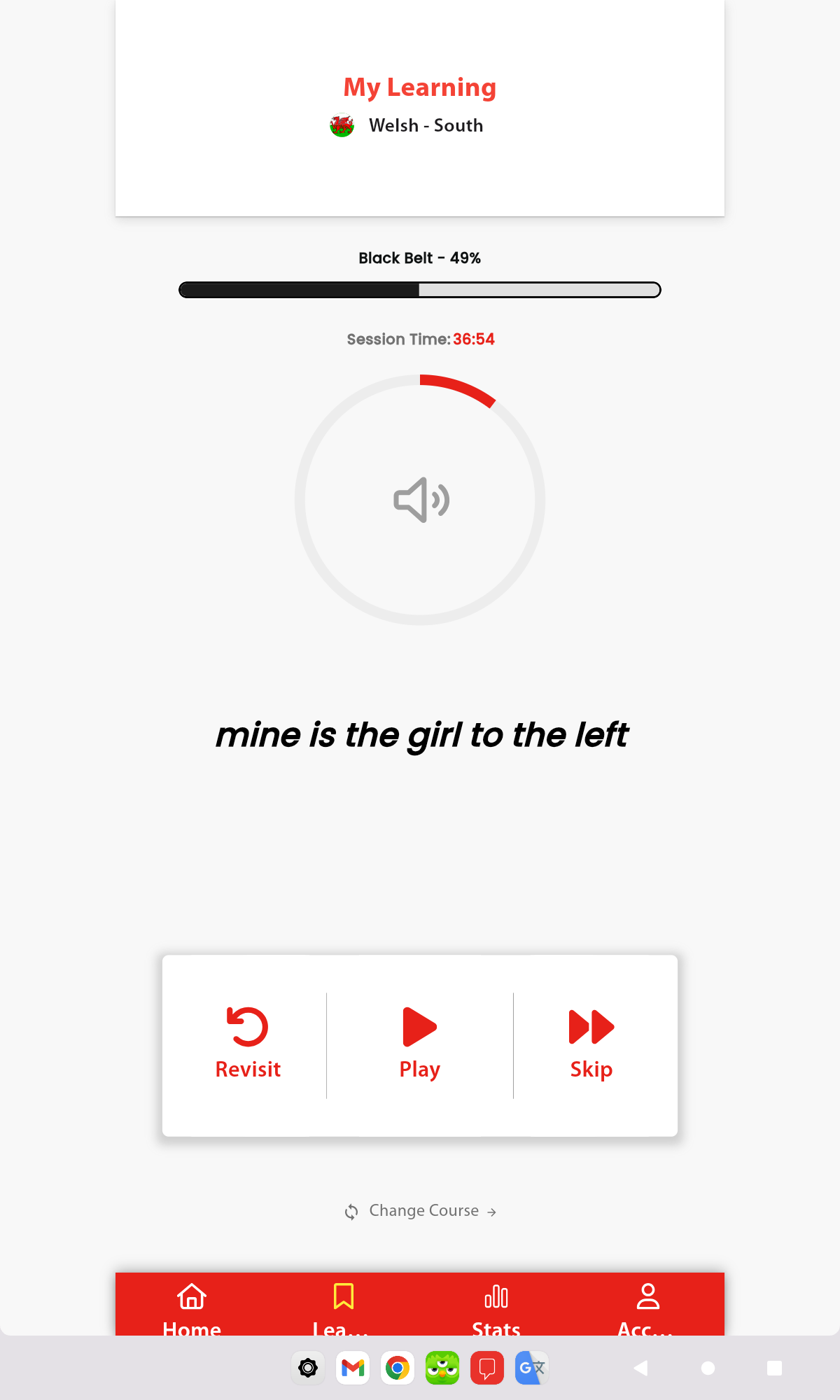
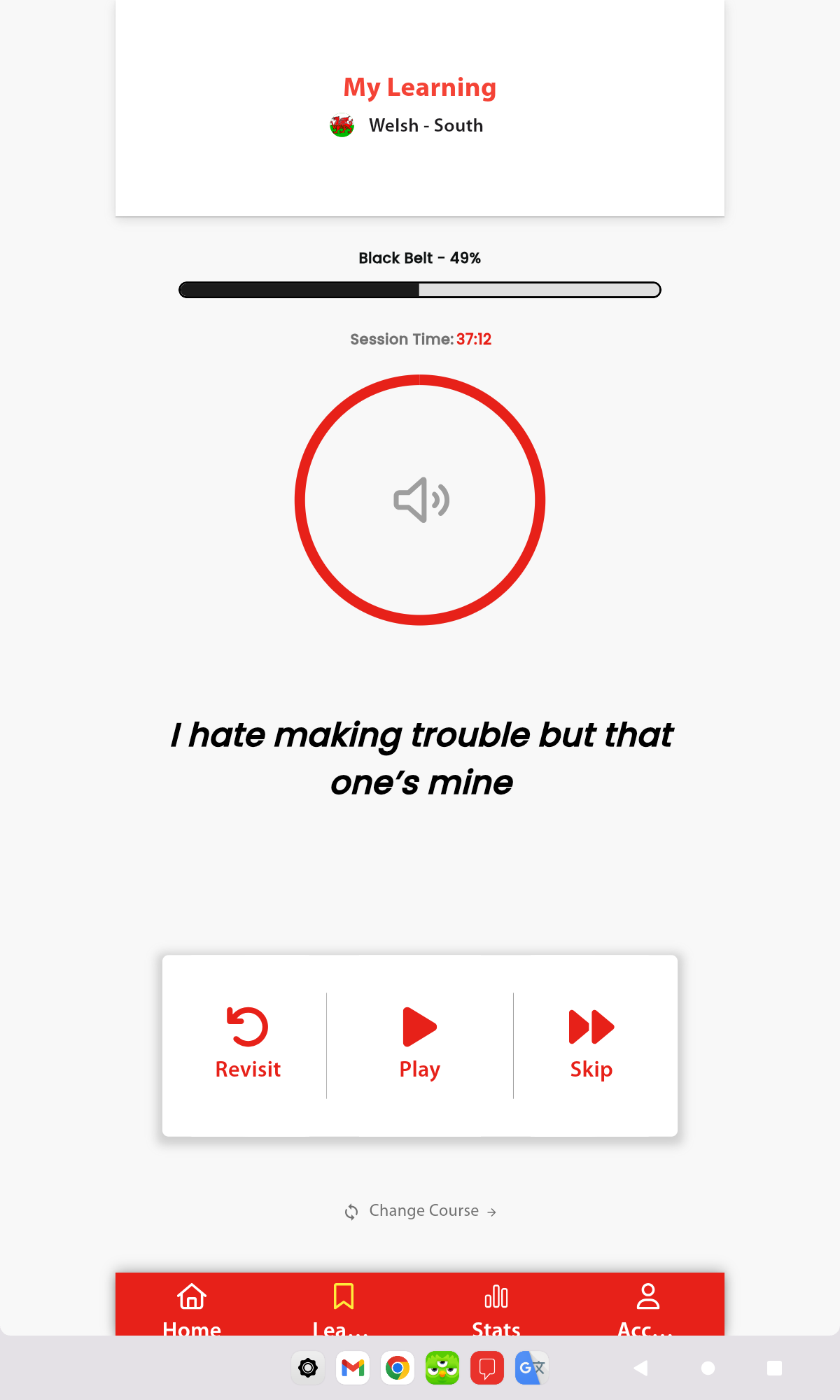
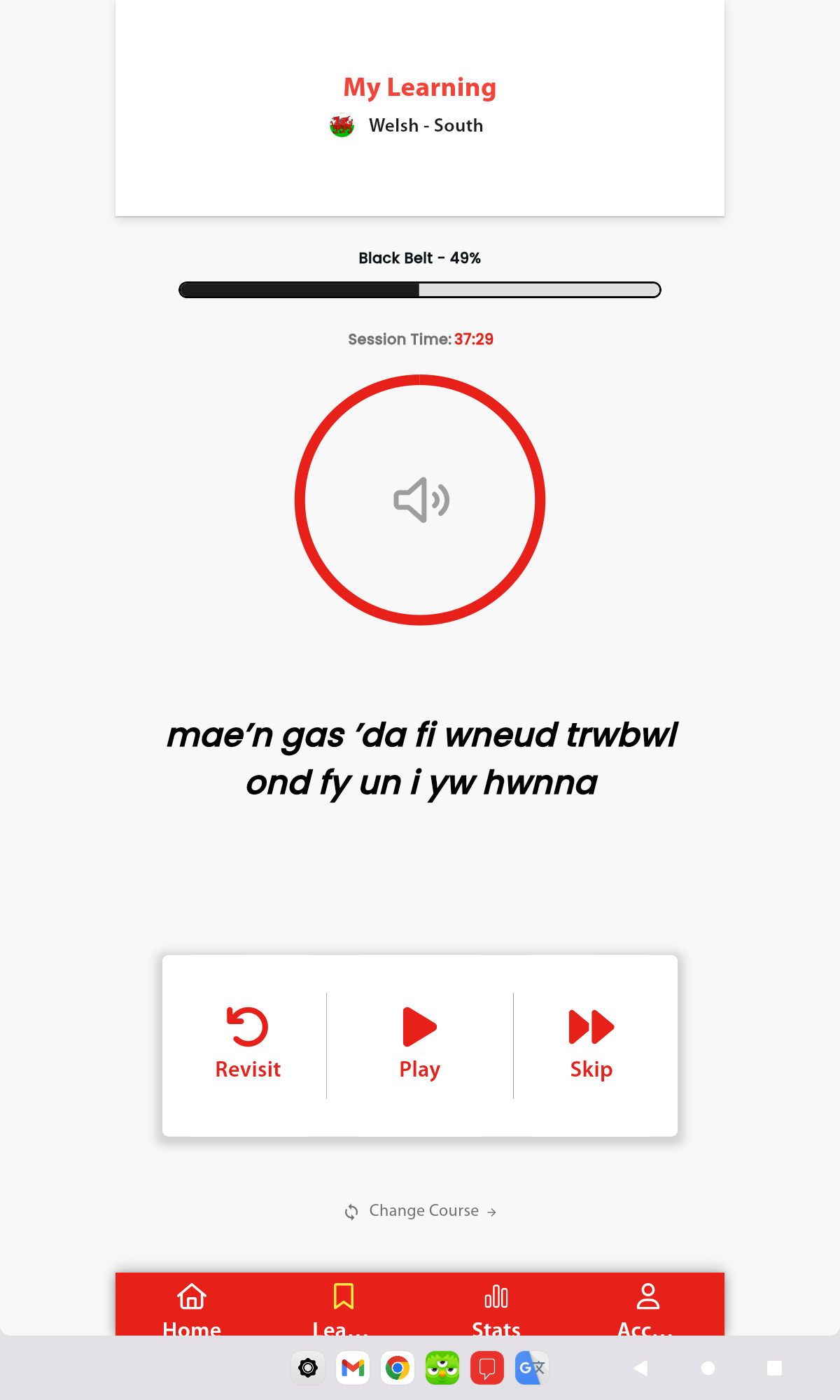
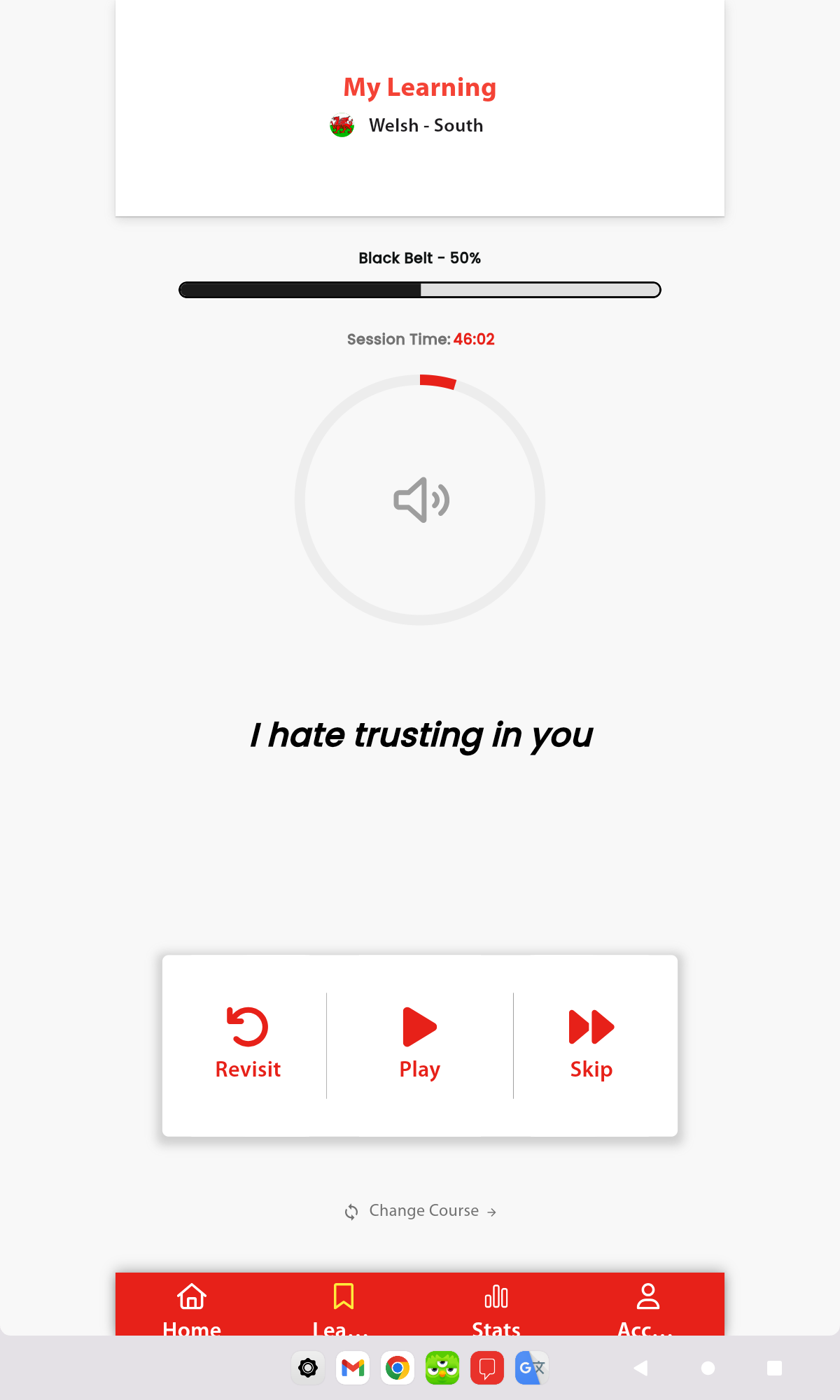
These are the ones I’ve picked up today.
“Trwbwl” has now been formally introduced
Disgwyl" used for the first time with the meaning of ‘expecting’. Previously introduced as “look”
“i fi beidio” (so I don’t) and
“glaswellt” (grass)
both used before formal introduction
(Both were then formally introduced some time later)
Today there were quite a few pauses in the material while waiting to update/download pages. Maybe a server side issue.
Ok. Here are today’s new ones.
“Mae hi 'di” (she has)
Formally introduced later
“Awr” in the phrase “Sawl Awr” (several hours). Sawl had been introduced earlier. “Awr” is fairly obvious in this case although it is the singular form
“Cymrodd” and “newyddion” as in the phrase “cymrodd y newyddion sawl awr I gyrraedd pawb yn y swyddfa”.
Newyddion was then formally introduced later
These are what I’ve picked up today.
“Cymrodd” (took) has now been formally introduced.
“Nol” (fetch) appeared as new today but had been used in earlier belts in phrases like “ga I nol I chi ddisgled o goffi” etc
Tra bo’ (while) as in Tra bo’ fi’n nol…used without introduction.
Just one today and it’s an audio glitch.
The sentence “y llinell felen 'ma” is spoken “wnaeth hi anghofio…”
Today “ffeindies I” (I found) appeared with no introduction although it was formally introduced soon after
A new one for today I think (or at least I couldn’t remember it) which hasn’t yet been introduced.
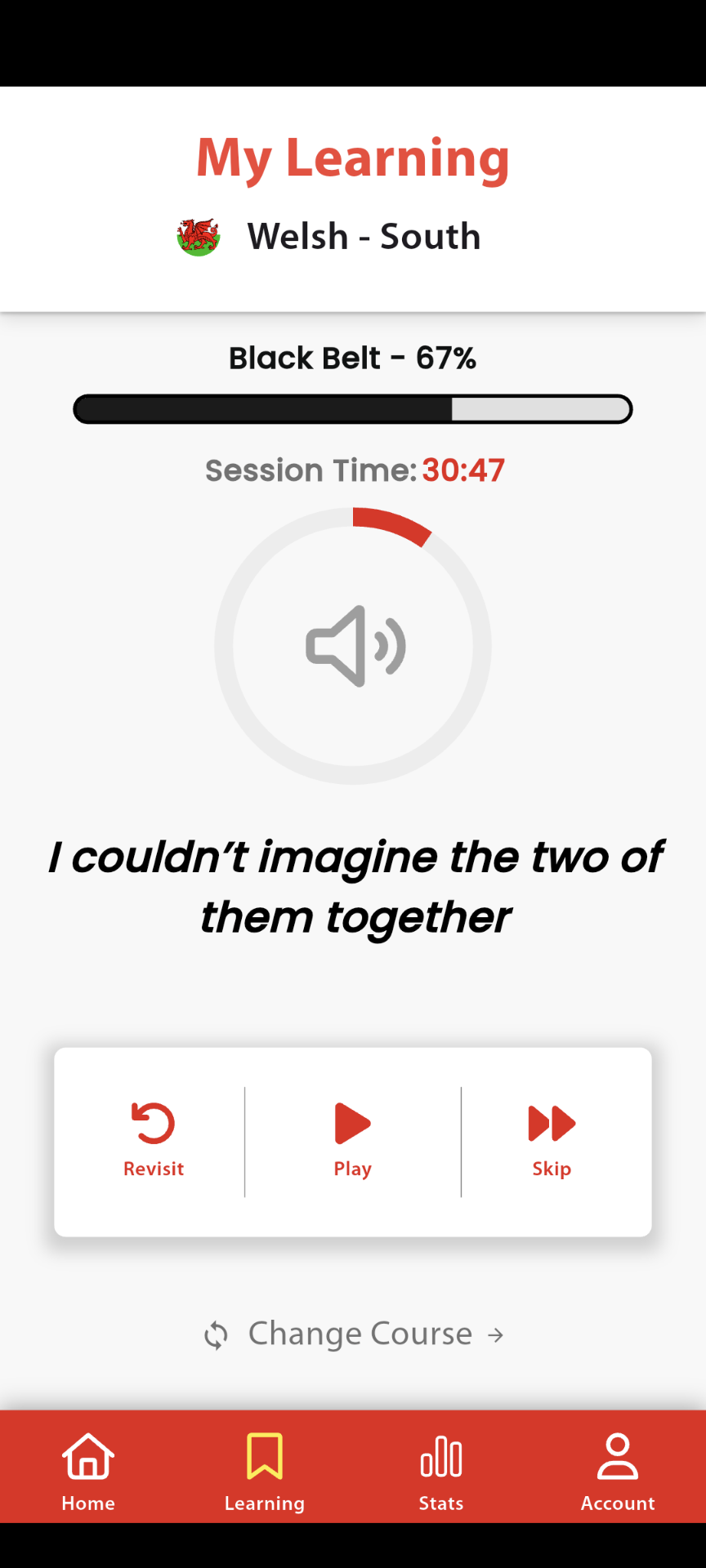
“Y ddau ohonyn nhw” (both/ the two of them)
There were a few with no spoken English. I grabbed screenshots of two of them (“dau ohonyn nhw”)
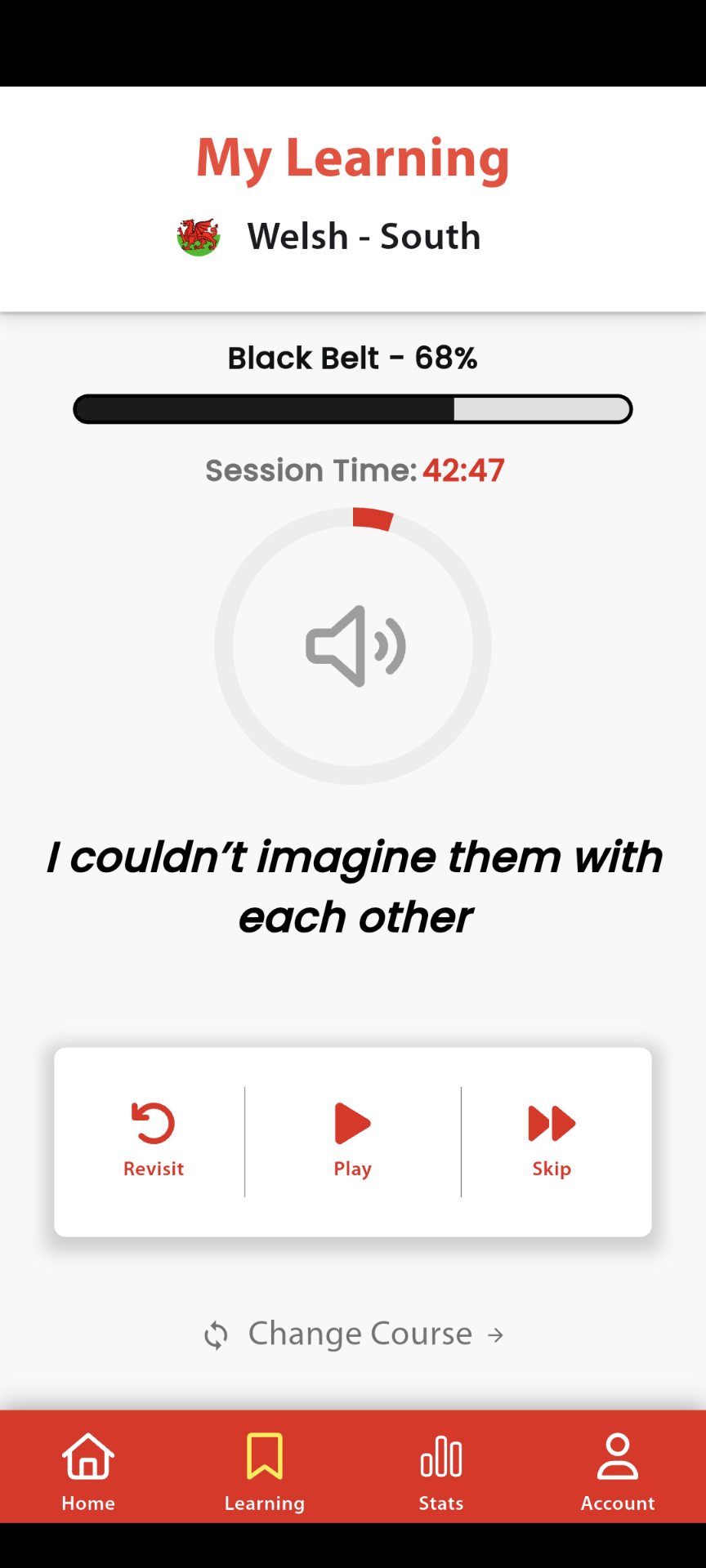
1 Like
One item without introduction today and two audio glitches.
We had “eu” (their) as in “eu babi” with no prior explanation
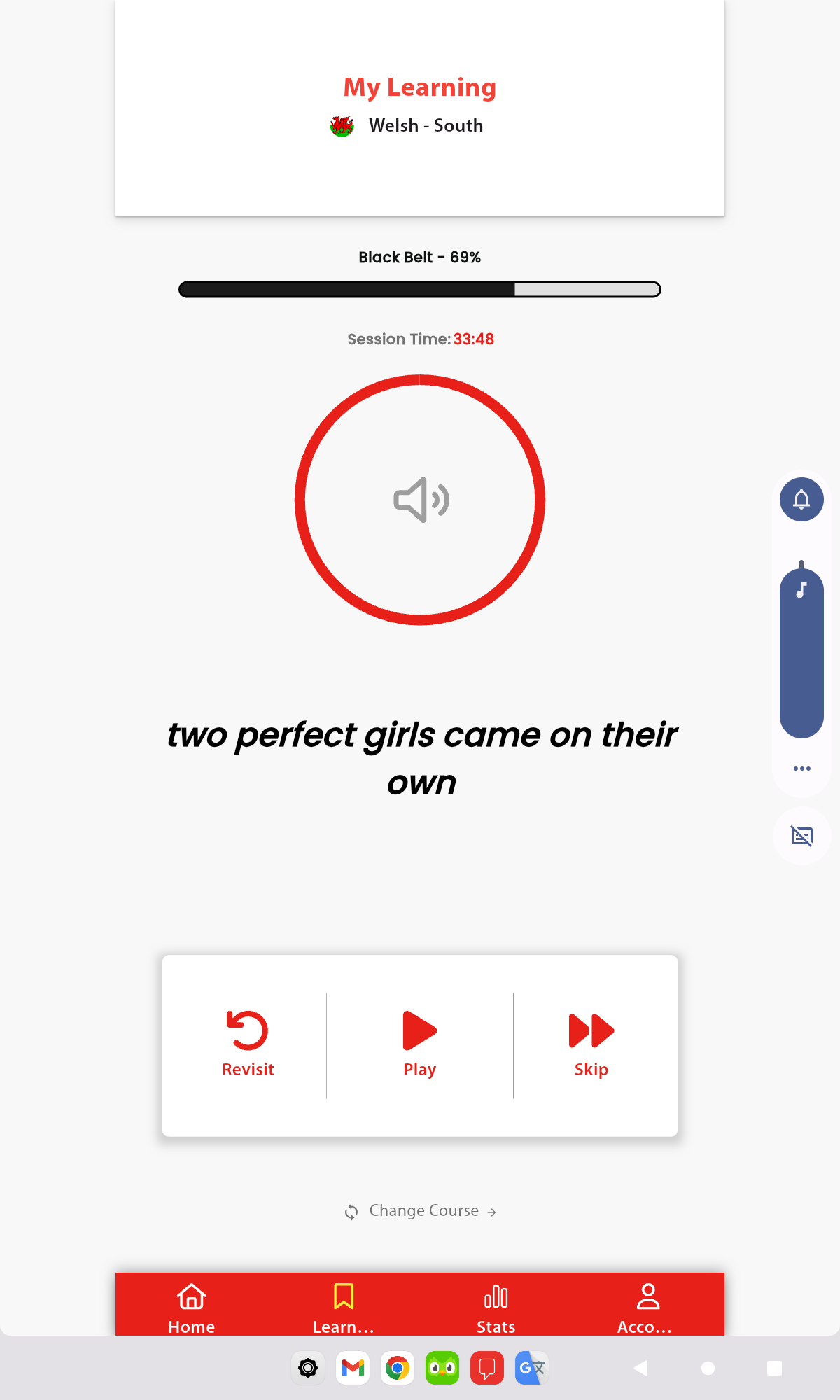
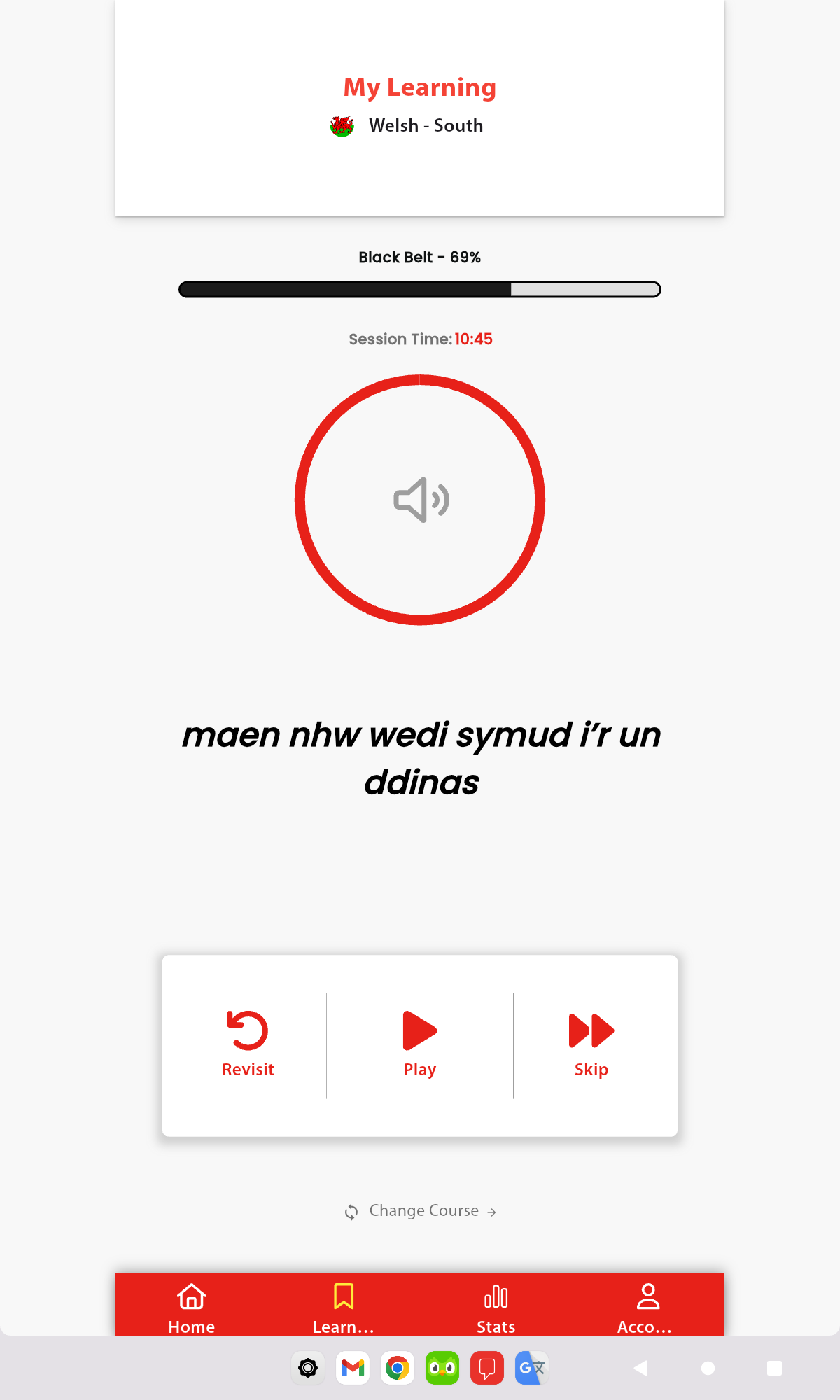
The first screen shot has no English
The second, the Welsh stops at “maen nhw..”
1 Like
3 from today
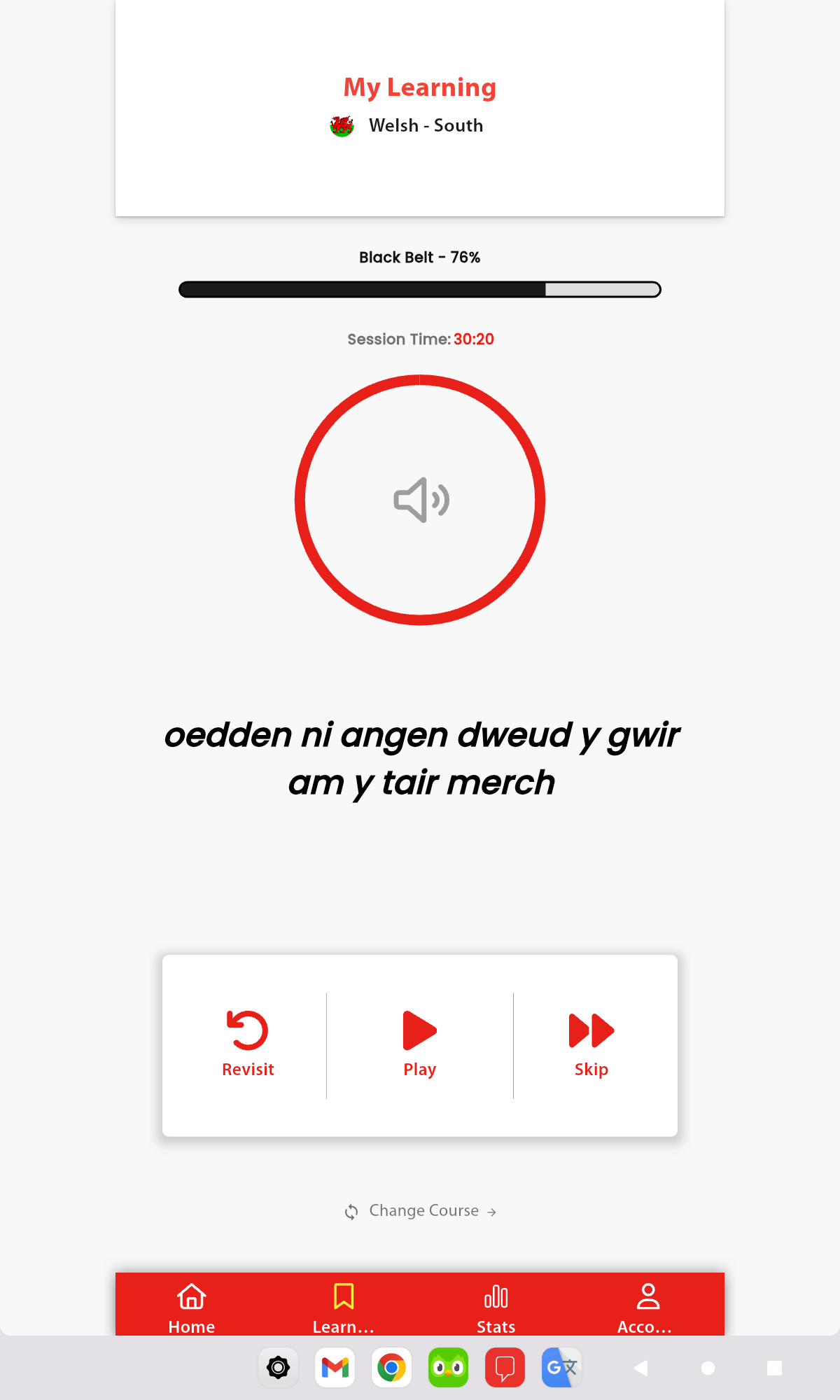
I was expecting “o’n ni angen”
The first 2 are “silent English” ones
In the third one, “oedden ni angen” is used without previously introducing the “oedden ni” form. I was expecting “o’n ni angen”
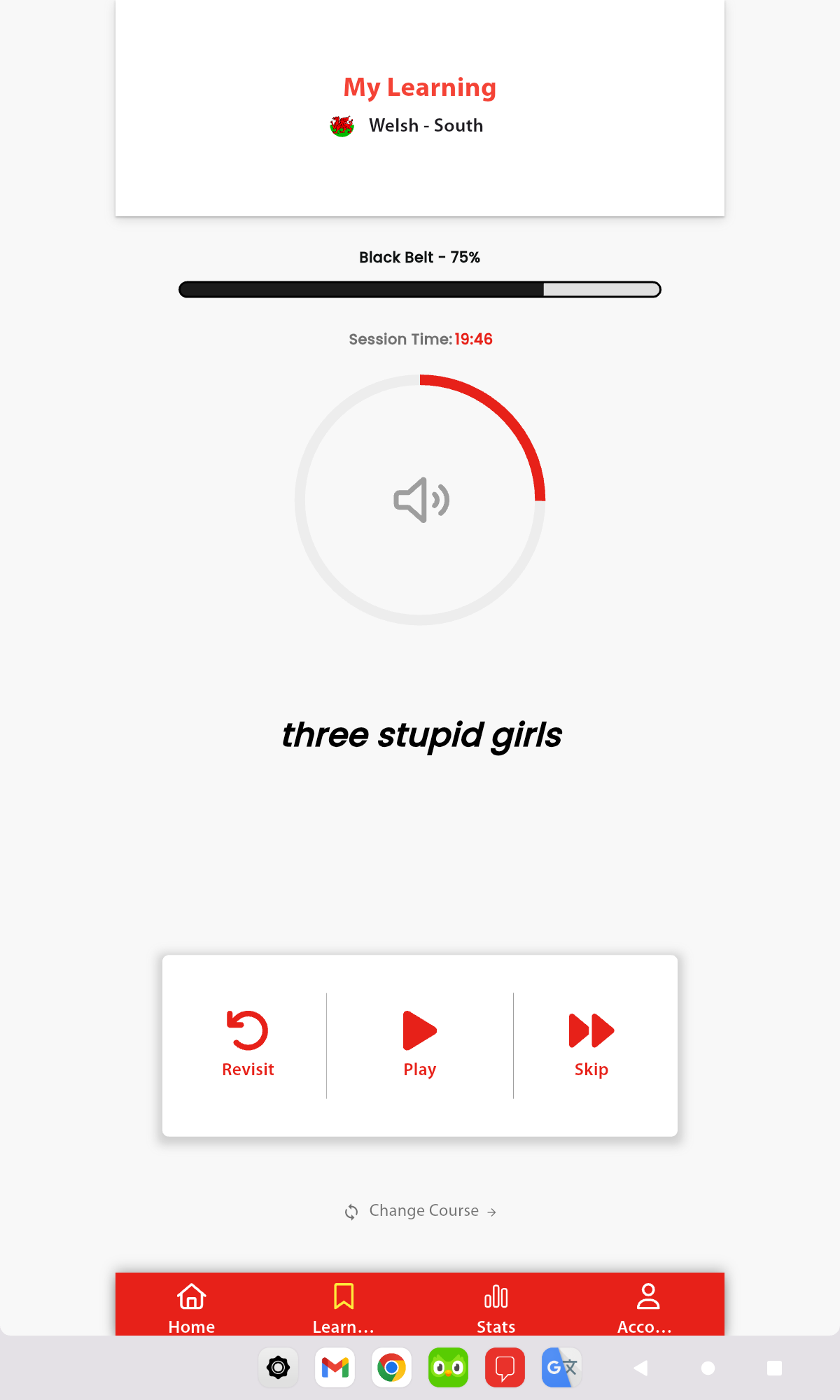
From today.
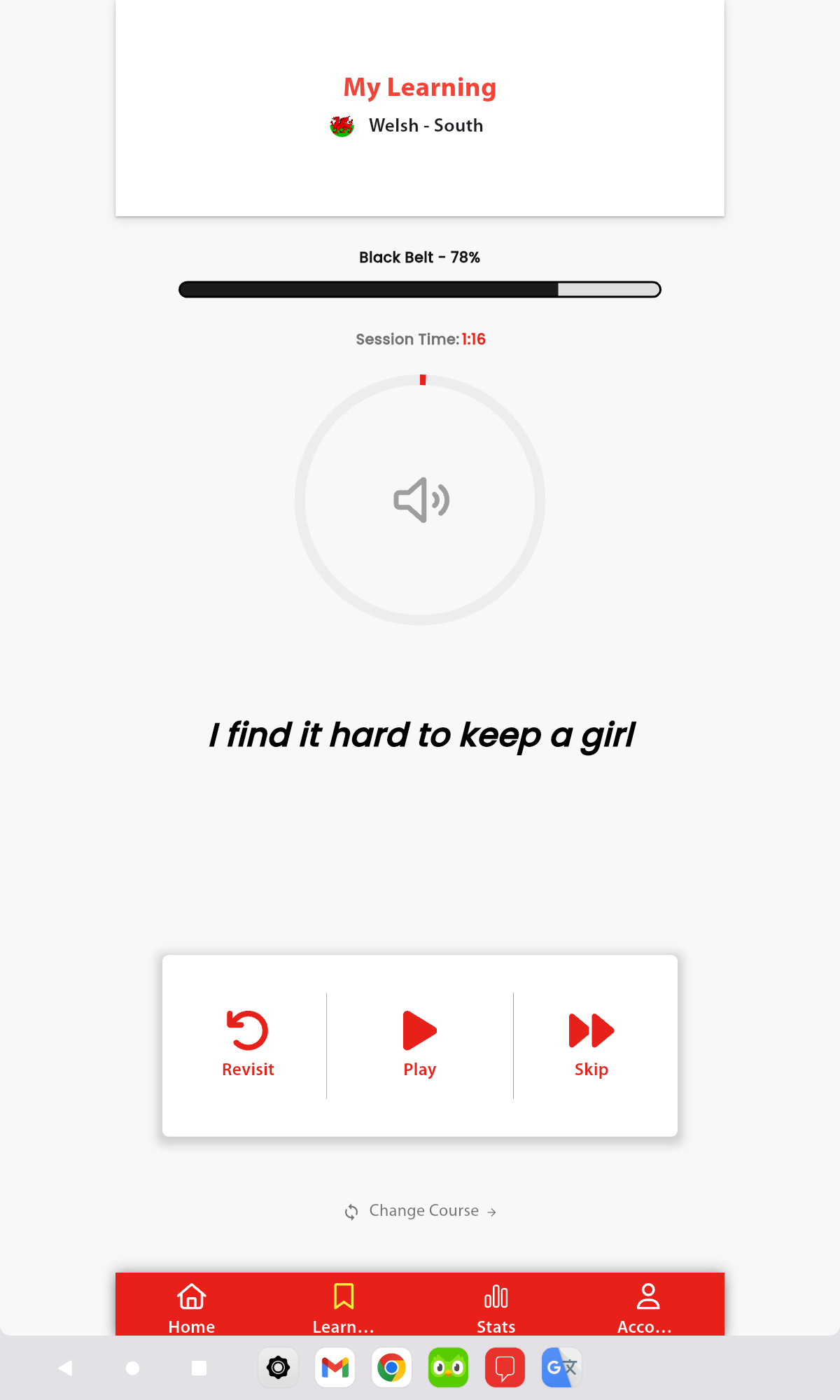
First up 2 silent English ones
Then, “y pethau 'na” (those things) used before formal introduction. It was introduced later.
The form “dw i i fod I” for "I am supposed to…(as in dw i i fod i gadw…) appeared unannounced. No formal explanation of this yet.
Finally, r(h)oi appeared with the meaning of “put”. Up until now it had always been used with the meaning “give”.
Where additional meanings are given for words like this (and previously dishgwl look/expect etc ) I would it be useful to reintroduce them with the additional meaning e.g.“for to put I would like you to say rhoi, which also means to give”?
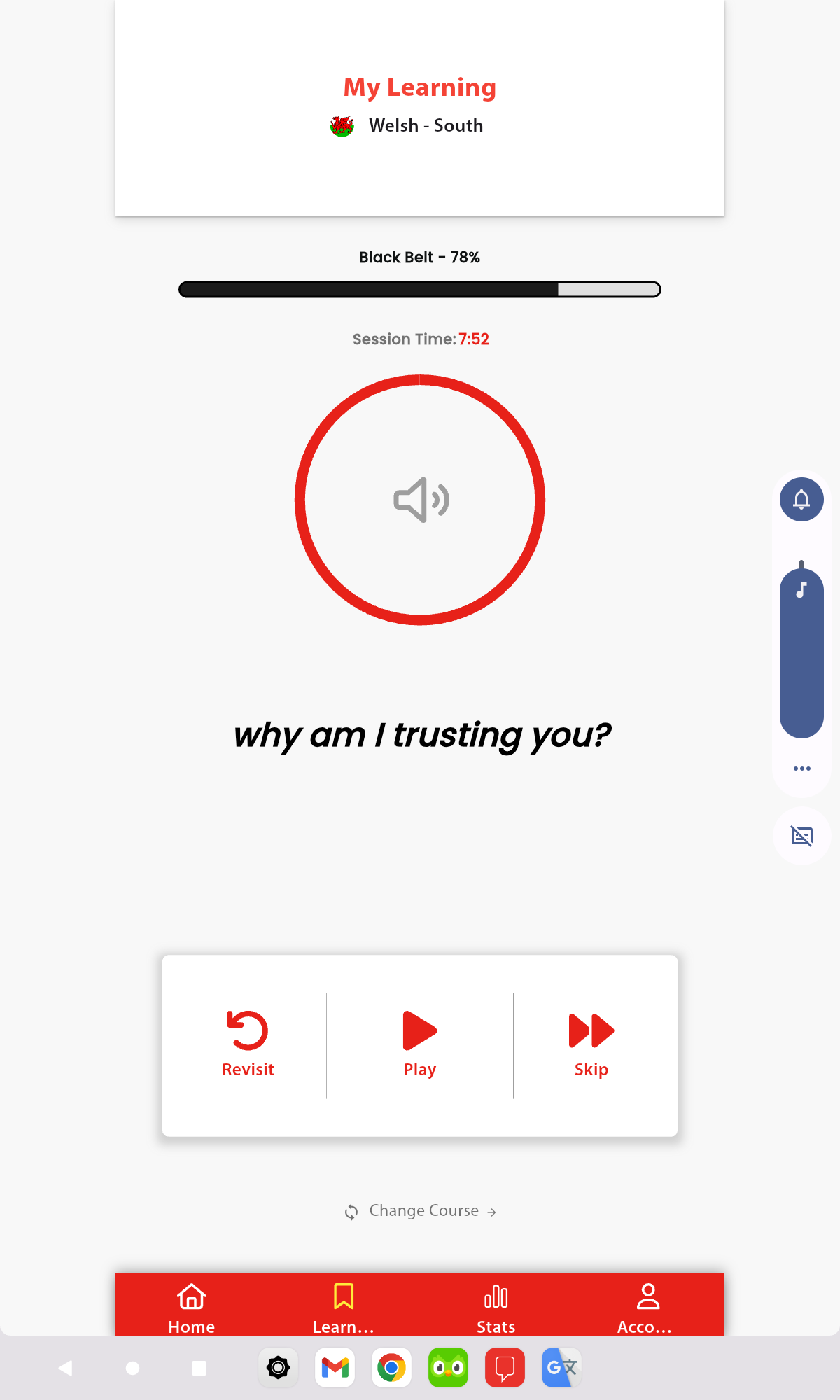
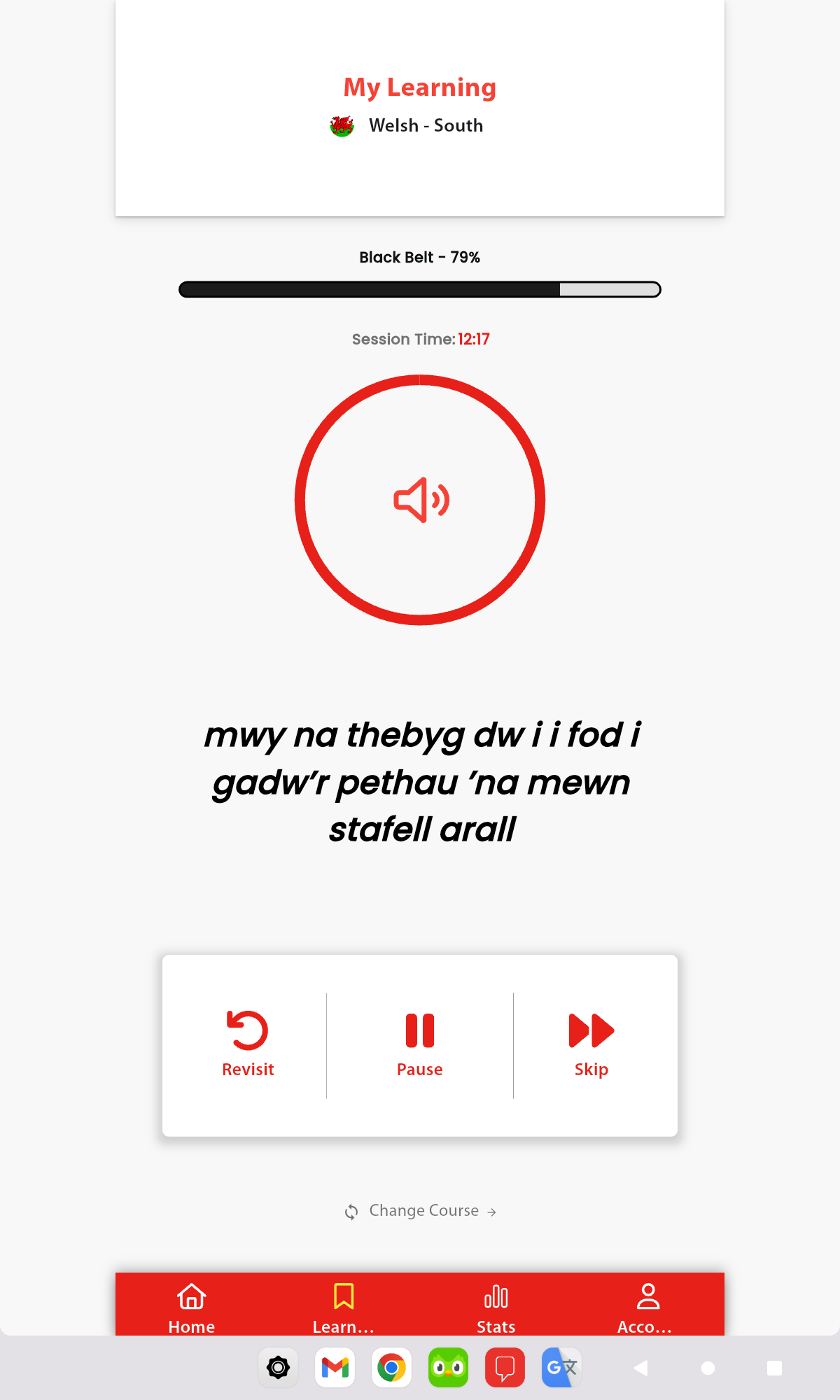
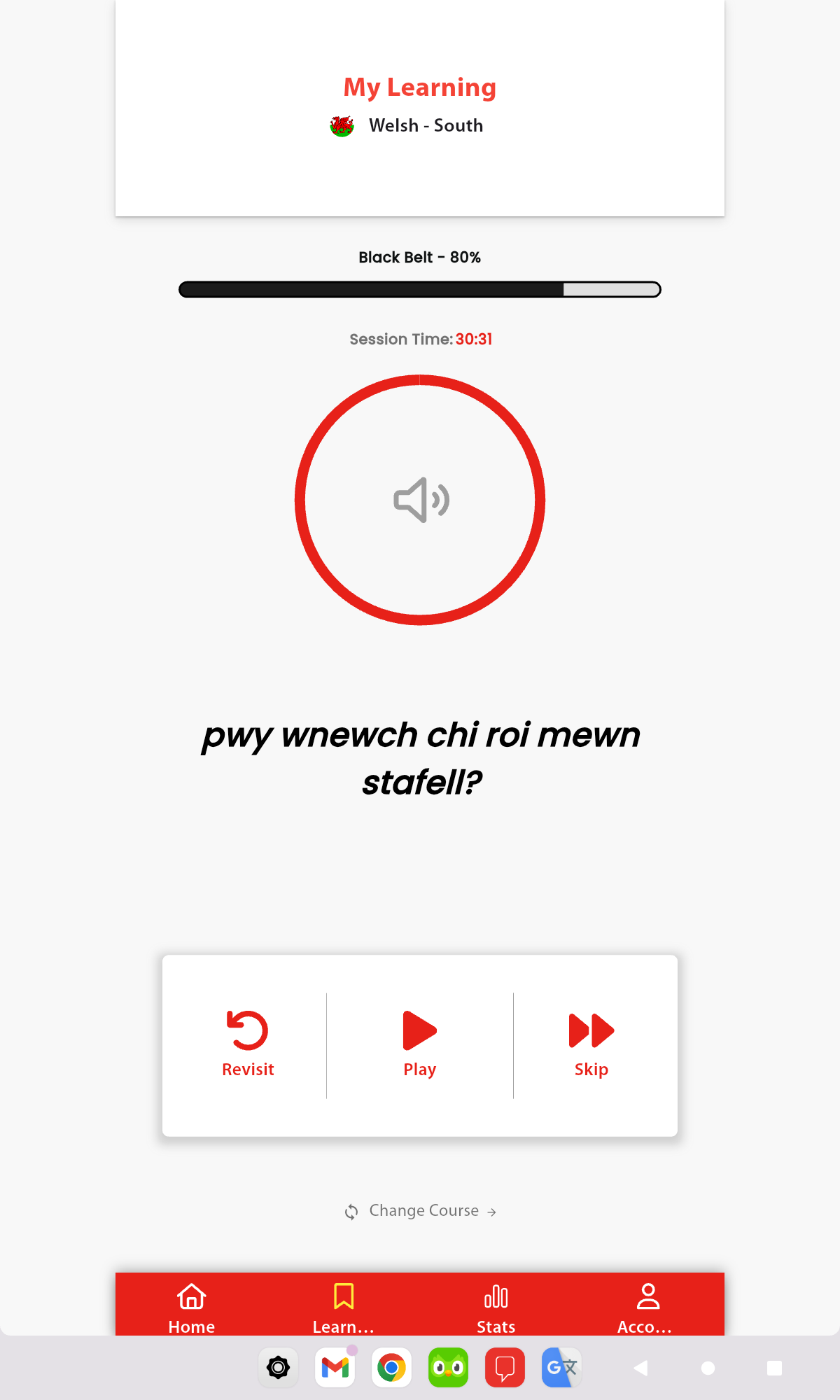
Just 1 unannounced one today.
“Ennill” (to win) as in “ennill y gêm”.
Luckily I knew that one anyway. “Gêm” had been introduced properly
Today “ennill” (to win) has now been properly introduced.
An odd one, “unrhwyun” introduced as if new. Yet this appeared in one of the very early belts along with rhwyun and the rhwybeth/unrhwybeth combinations
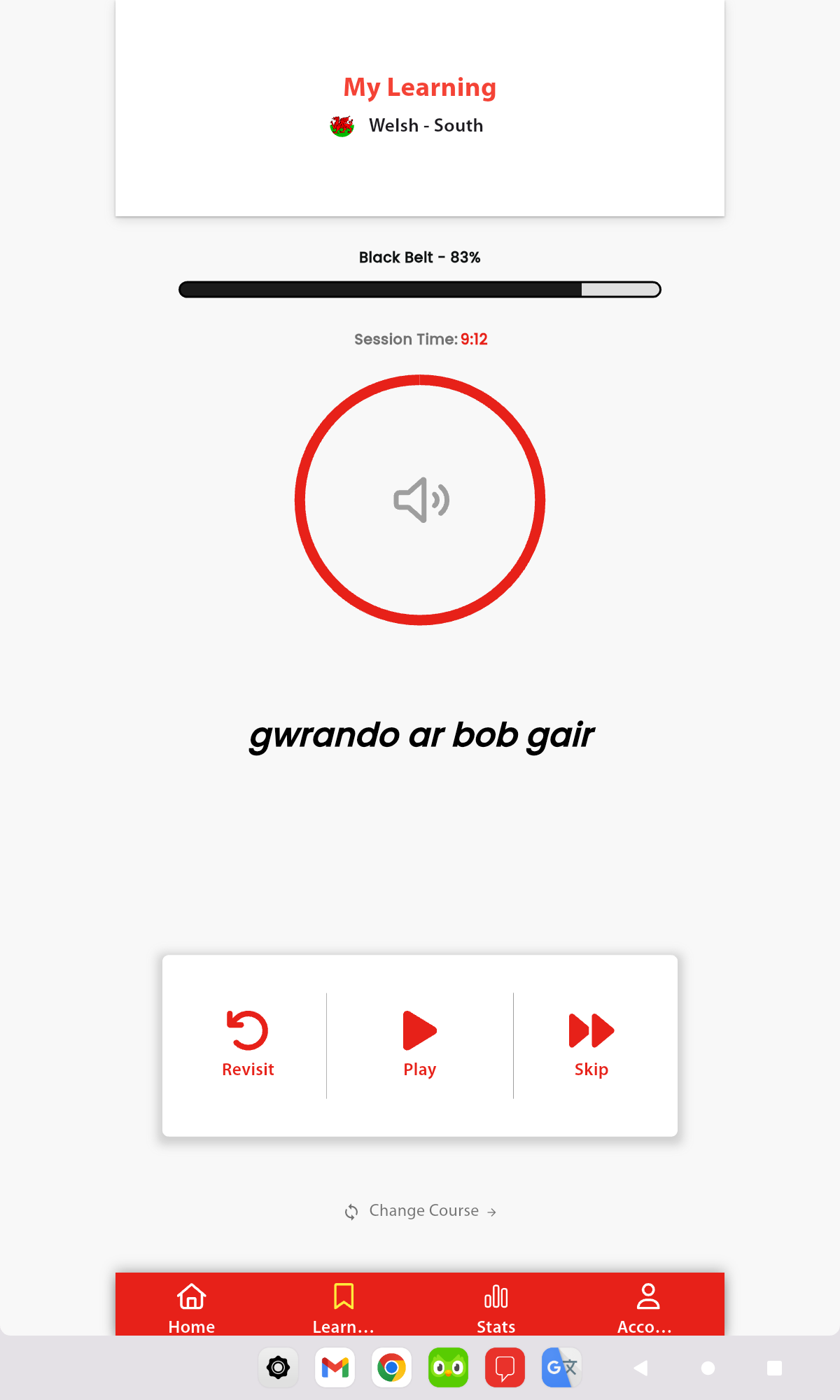
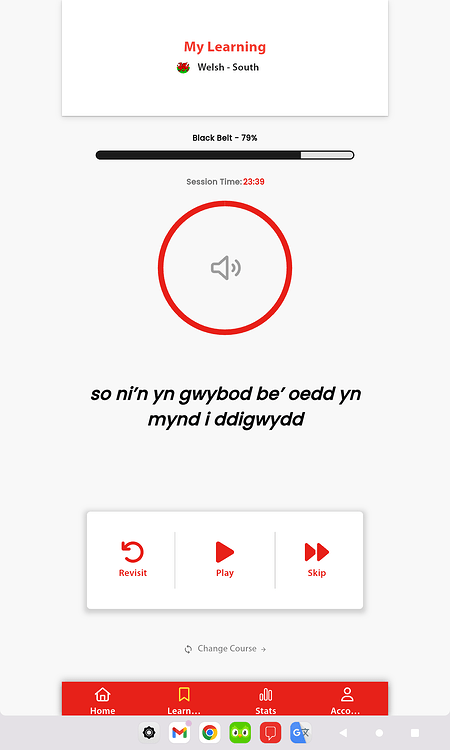
Just adding this in here from another thread - I’m not sure if it’s already here, but it’s a typo - an extra ‘yn’ at the beginning - so ni’n
1 Like
Thanks very much again, @nigel-28 - all extremely helpful, and we’re hoping to get them fixed
1 Like