Thank you I will try that
And yet I live in Ty’n-y-Groes?
Yes, and that is not a contradiction. The hyphenation only “overrides” the usual internal mutation that normally happens in compound words. In hyphenated names you still observe normal mutation rules. croes is a female word, so it gets a soft mutation after the definite article.
Thank you Hendrik
The combination aros am wait for is correct, while ‘aros ar gyfer’ is really an Englishism caused by ar gyfer also corresponding to for - in other words, its use as meaning ‘for the benefit of’ (you are right about that) has spread to this different English meaning that happens to use the same word. Your mission, Nigel - should you choose to accept it - is the decide whether you are relaxed or not about this.
5 Likes
Hopefully a quick question that I couldn’t find the answer to, but roughly how long is the automagic welsh course before you exhaust the content?
I think the answer has to be “it depends”. From my experience it is time based so it depends on how much you do each day. I think I spent on average 30 minutes a day and it took about 4 months to get through Black Belt and into daily revision
1 Like
Adding to @nigel-28 's answer, it also depends on whether you’re using the AutoMagic prototype, or the latest SaySomethingin app which has more material in it. If you’re mystified by the reference to the “Black Belt” @jack-48, then you’re probably using the AutoMagic prototype and you might want to consider swapping. The SaySomethingin app will pick up your position and set you in the equivalent place.
1 Like
Thanks nigel-28 and Deborah.
My only experience of SSi is via the ios and android apps, so I’m assuming im using the latest version of the auto magic.
I guess the course length depends how frequently you use the app and therefore how much time is repeating content?
Each belt requires more time than the last, so it was more a curiosity.
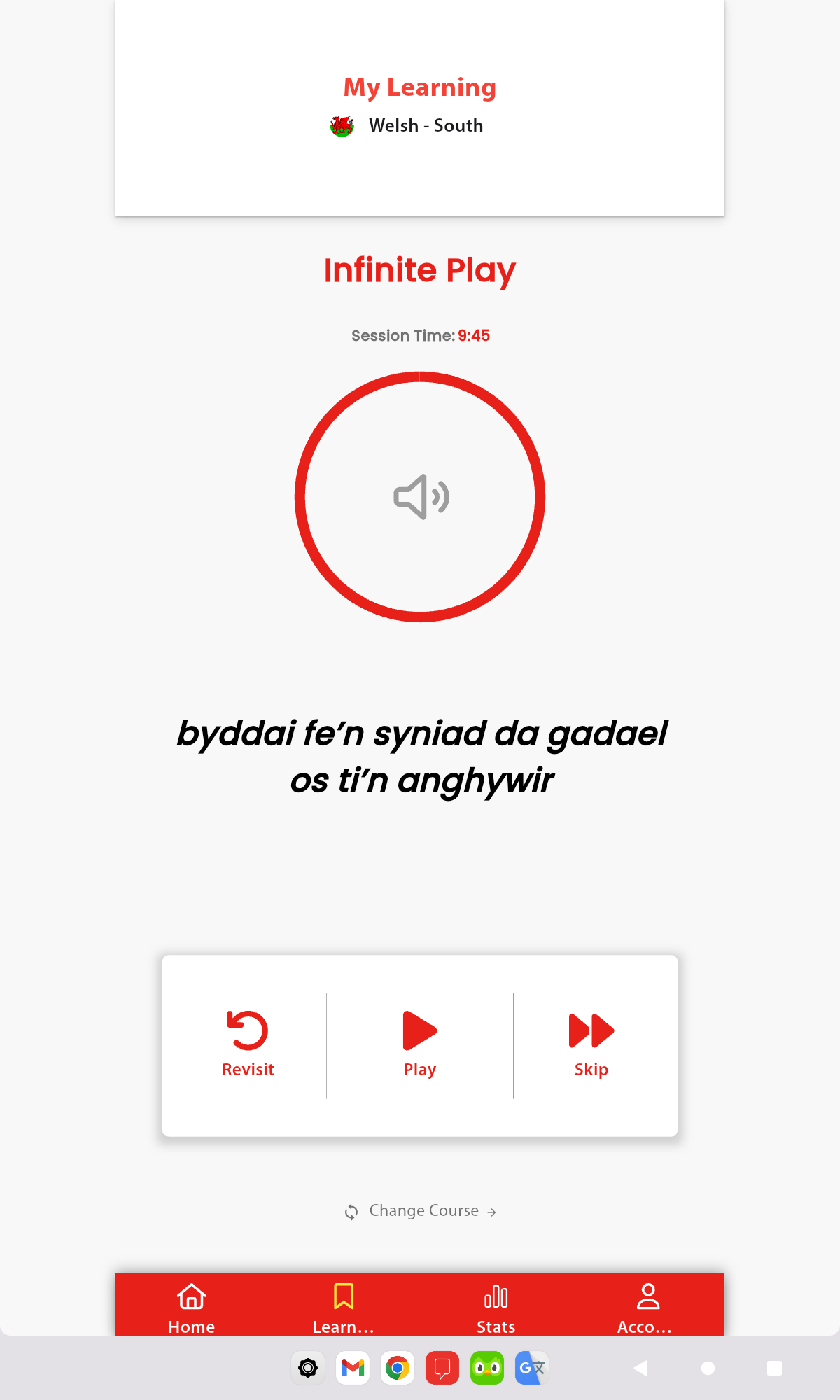
I was caught out by this one tonight. I was expecting “brifo” to take a SM but it didn’t. Can someone explain why it doesn’t? Thanks.
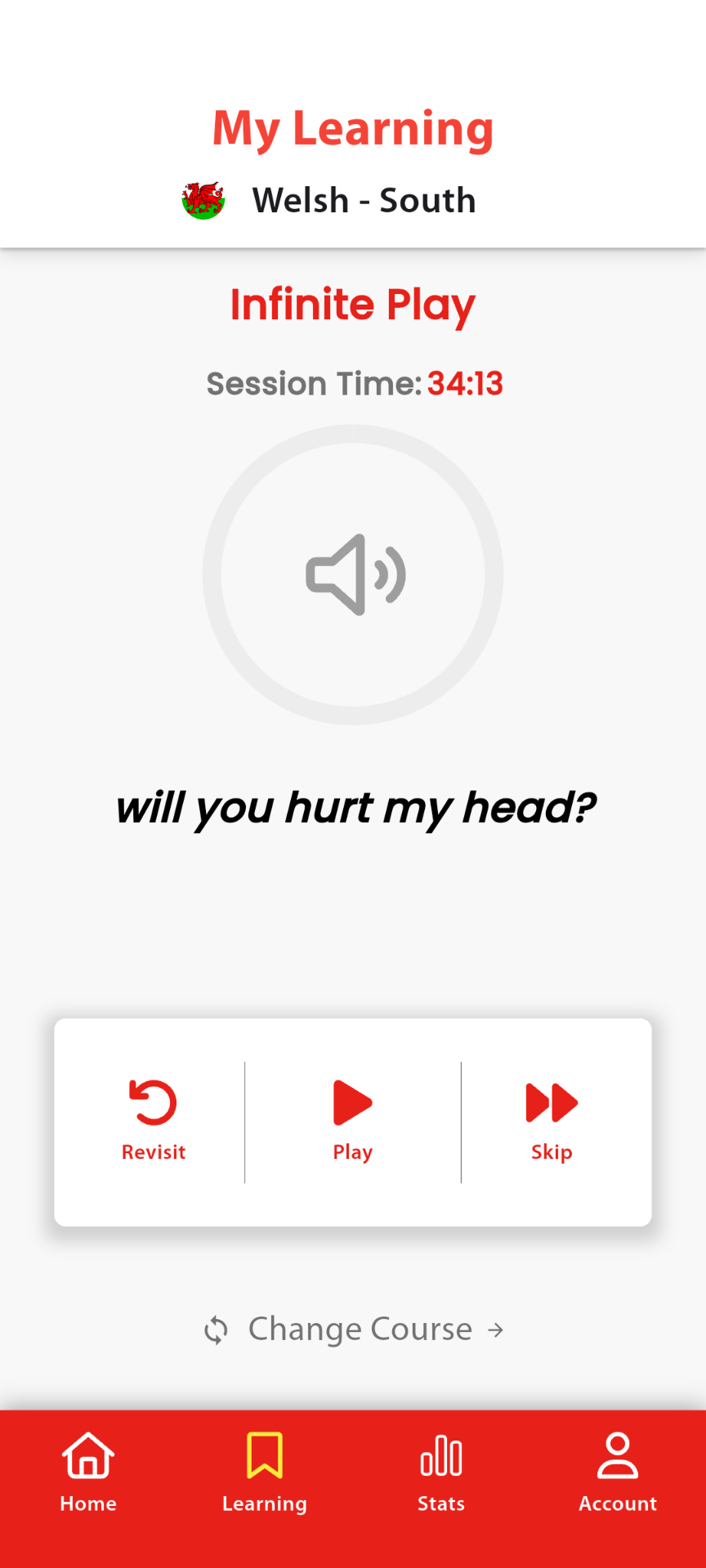
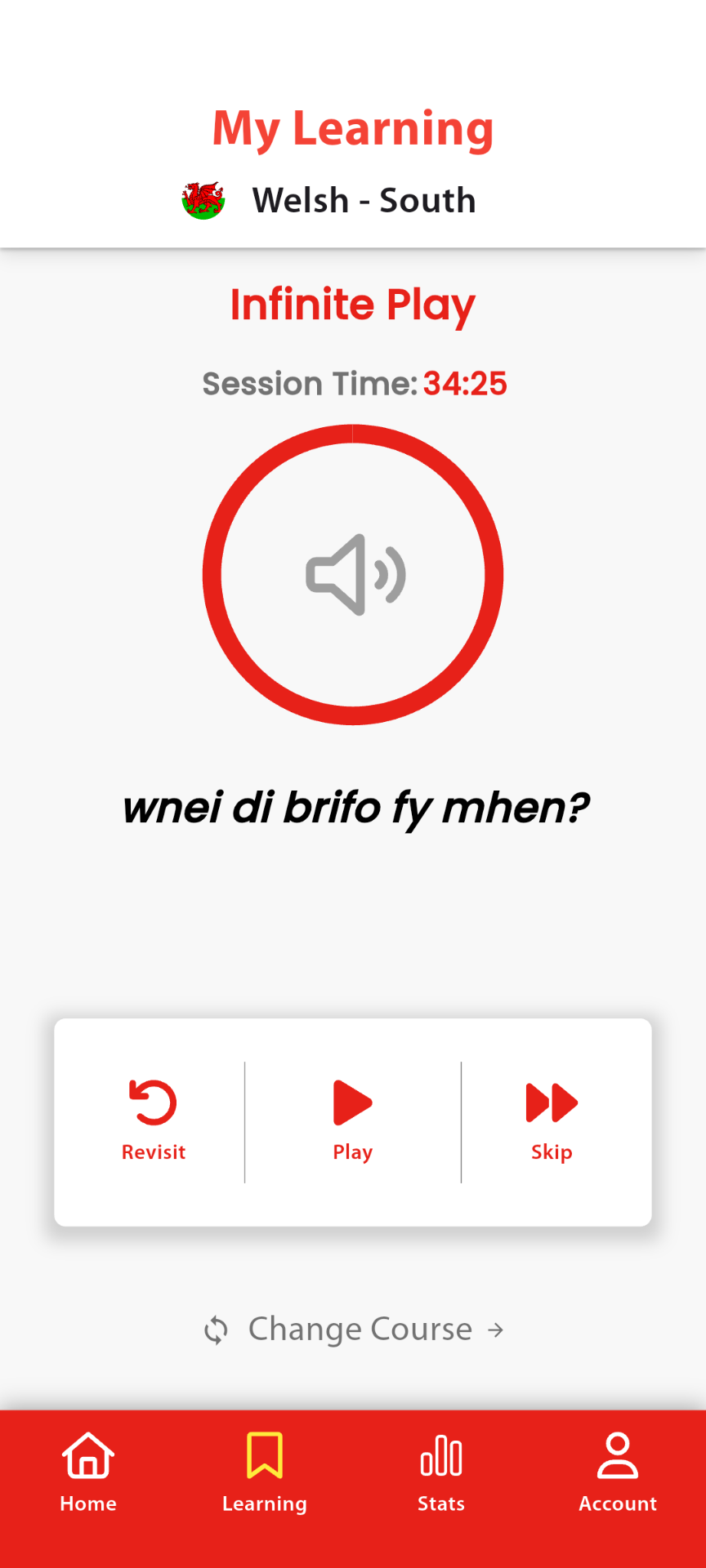
I can’t think of any logical reason why that wouldn’t be “wnei di frifro” so, da iawn ti! You’ve spotted a mistake that has slipped through! I’ll make a note of it to get it fixed.
Diolch yn fawr!
5 Likes
I think that this is a typo in the southern course using “o” for it
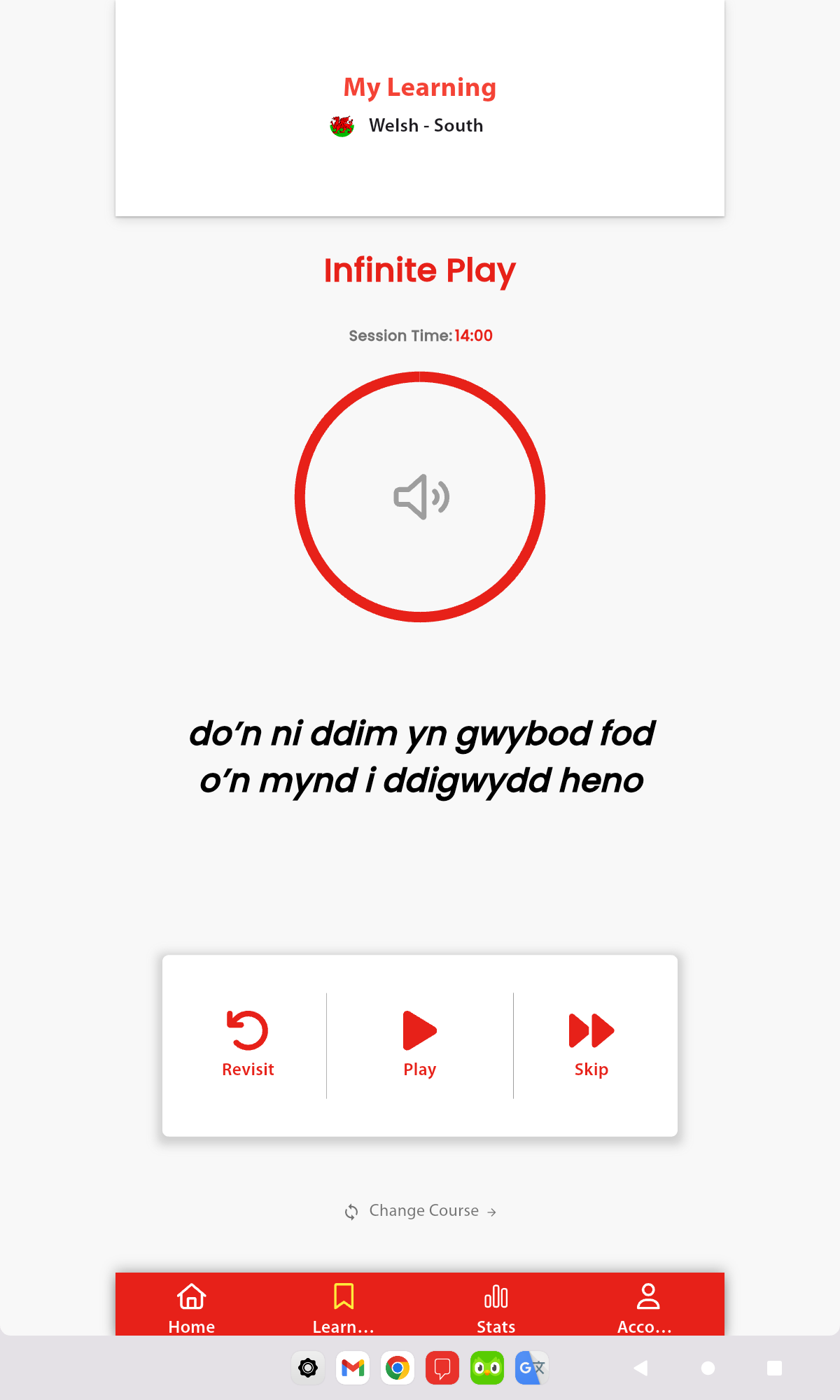
? Although given the state of my brain pre Christmas it could equally be some attempt to baffle me further by using an imperfect tense in the second clause.
Here’s another that is constantly catching me out. Why is “on the other side” sometimes translated with the definitive version article “yr” and sometimes not? Thanks.
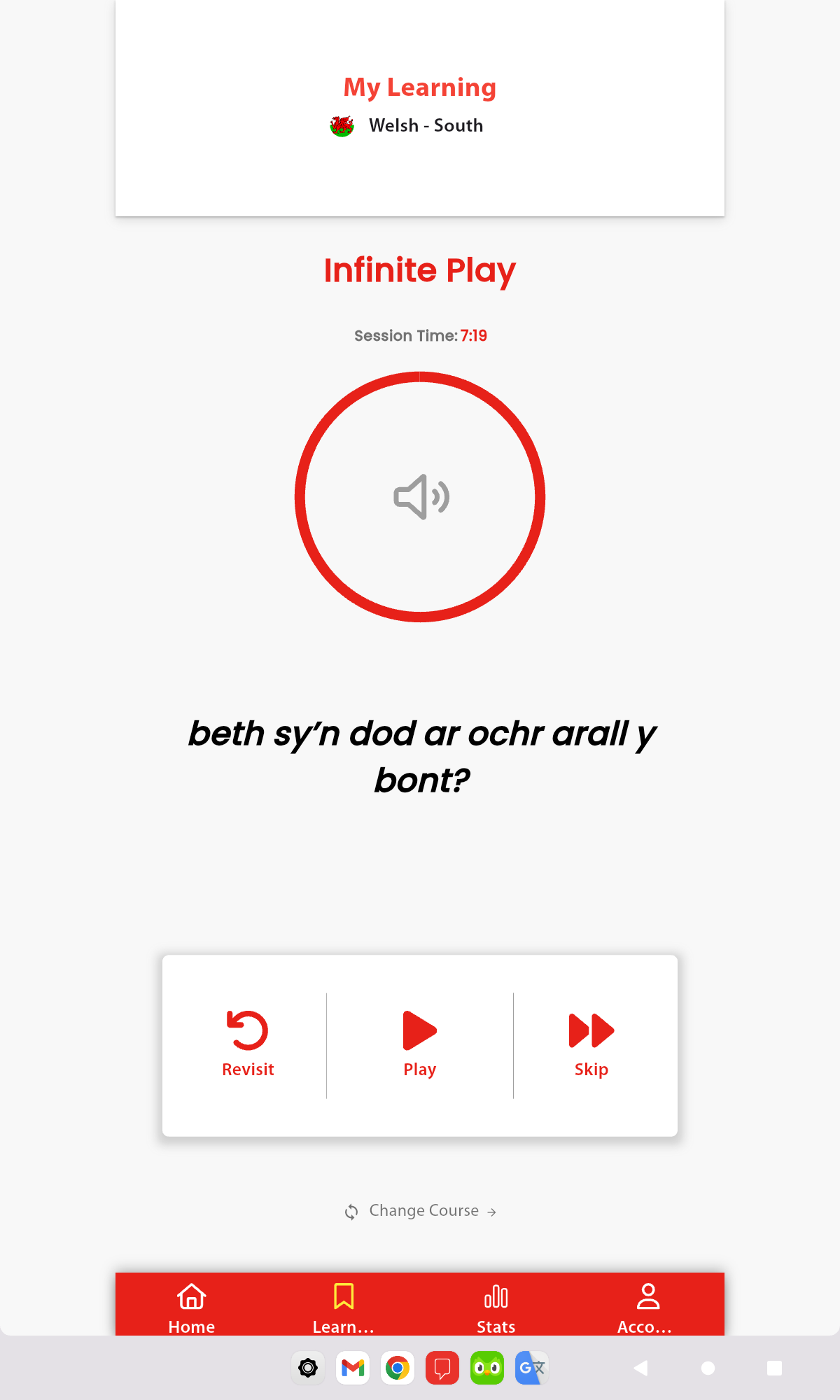
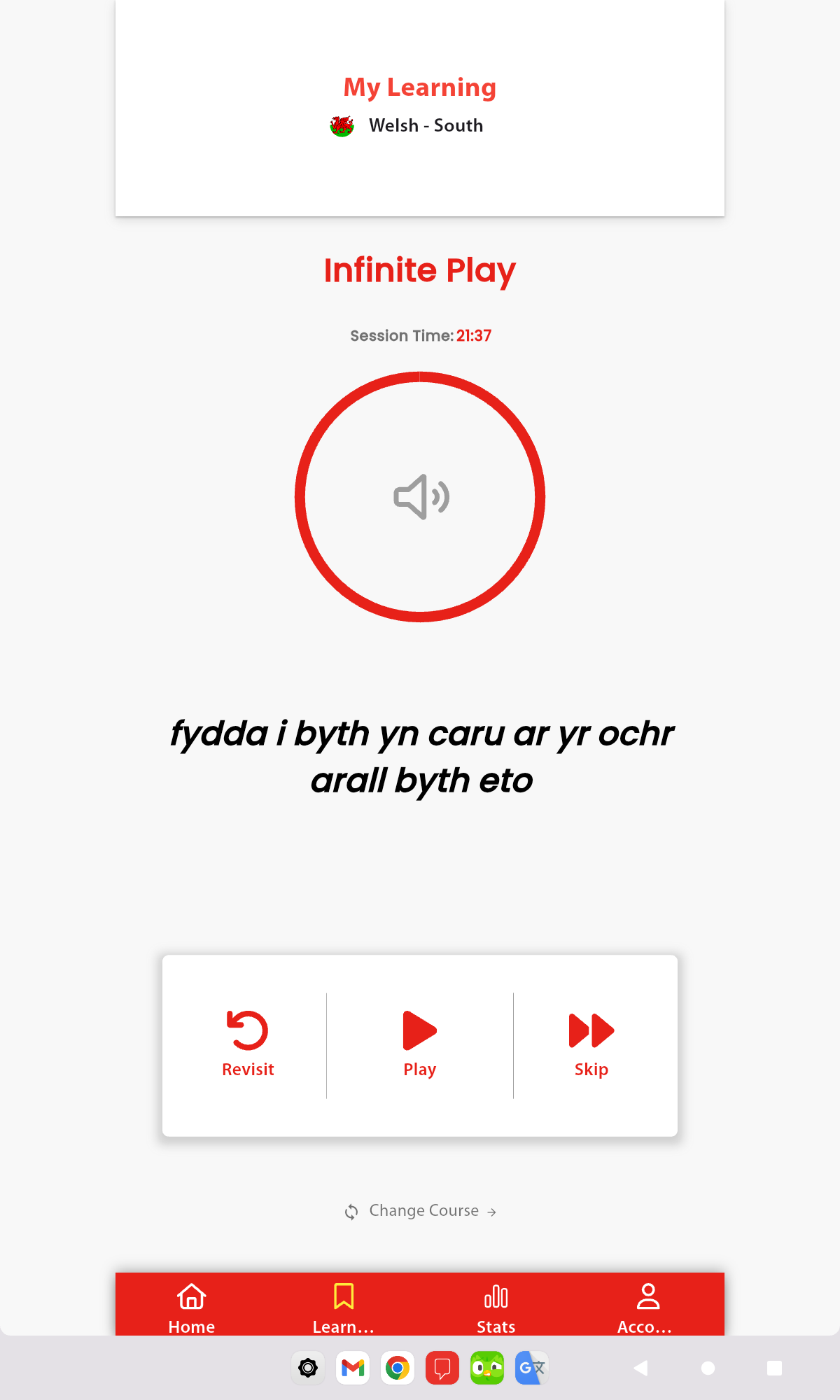
This is just the normal placement of the definite article. “The other side” is “yr ochr arall”, but “The other side of the bridge” is “ochr arall y bont” – in such cases there is never a definite article before the first noun.
(And I am certain that “o” in the other post is just a typo and should be “e” to reflect the southern dialect)
1 Like
Thank you Hendrik. I had not been able to work out what was going on from the patterns.
How would you say “How was your breakfast?”
“sut 'di eich brecwast chi?”
Or
“sut oedd eich brecwast?”
Or something else?
Diolch!
I’d say the latter. I’d keep 'di, wedi, principally for verbs.
1 Like
I’m assuming that taswn i, tawn i and bawn i (if I were to or if I would) are regional variations, but for which regions?
I was taught the “taswn i… (mi) faswn i…” pattern on courses in North Wales (Gwynedd). “If I were to… I would…”
1 Like