I’ve looked at barnetegiak as well, but they tend to be for a month or so, plus they often advertise that they focus on passing exams, which I’m not interested in. They may just put that to attract people though - Spain is mad on exam qualifications!
The course I’ve found is local, 5 hours each morning, so I can do that, then work in the afternoon/evening. I’ll be shattered by the end of the month, but hopefully speaking Basque with a lot more fluency.
We’ve thought a bit about where it’s best to try and do fixes, and I think we’re fairly sure now that we don’t want to mix up the learning process with the fixing - the fixing is mainly a Popty thing, which is where you can go through the available phrases line by line.
I do like the idea of having a ‘catch this one, it was a problem’ button in the app - it would certainly be saving me time with Croatian! - but I think we may need to see that as something for the future…
I remember the first time I did the old Italian course, I did try to catch and report some of the errors; but it was such a faff involving pausing and taking screenshots and Kai was a bit overwhelmed and struggling to keep up with all the error reports he was getting from people at that point, so I just stopped in the end.
However (and FWIW), I remember at the time wishing that each prompt and answer came with a little number in the corner. Then it would be easy to report something like: “Hi Kai, hi, Deborah, I think there might be a problem with the prompt for 205b and another problem with the answer for 746d. Maybe you can take a look.”
I don’t know if this is useful, but no harm in mentioning it.
Thanks Aran. It would be good to have a way of capturing any content issues in the app (and perhaps logging them once you have a very large number of courses to support). But appreciate it’s not top of your list of priorities at the moment!
A “report problem” button would be a great idea! The Latvian course has some minor issues where the English prompts don’t quite match the Latvian, but most of them slip past before I manage to get a screenshot. It’s not a huge problem though. Usually the English prompt seems to contain something that hasn’t been introduced yet, and then the Latvian sentence actually turns out to be something relatively simple and familiar
Yes, we’ll definitely get a ‘report’ button set up - it’s a little fiddly, because we want to make sure it shows up properly in the Popty, so there are some flow things to get right there - so that the volunteer can either log in to the Popty and run the fixes afterwards, or someone else can…
And we are hugely keen to get there… it’s just sitting behind:
getting payments working in the new app
getting the schools and freelancers functionality working in the new app
trying to get our marketing to breakeven (the bane of my life!)
testing a new ‘go to market’ route for education in India
fine tuning the methodology (particularly the listening exercises) in the new app
getting the new app operational on our main website
getting tech support set up to work with the new app
Once we’ve done all those things, we’ll definitely be focused on giving a lot more love to the Popty (including making life easier for trial users!)
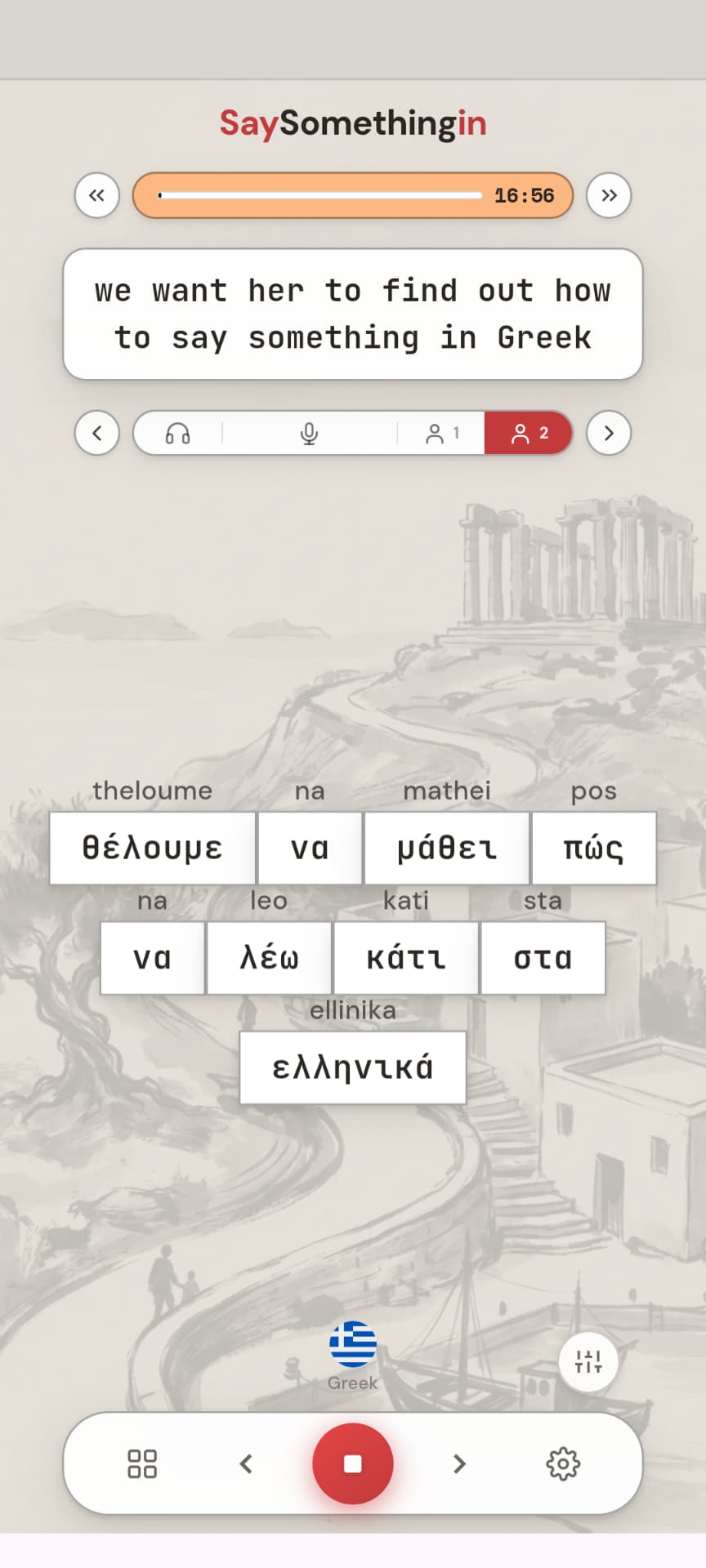
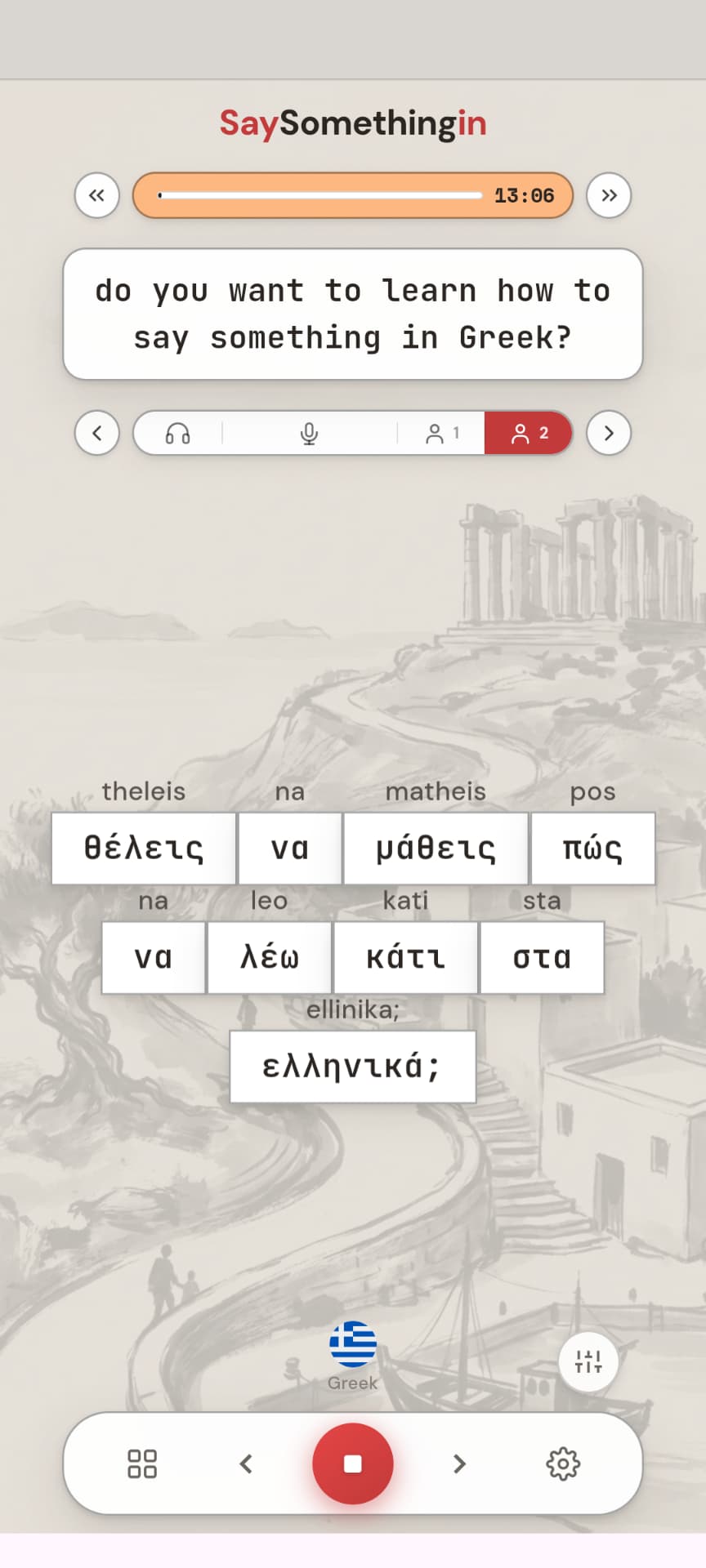
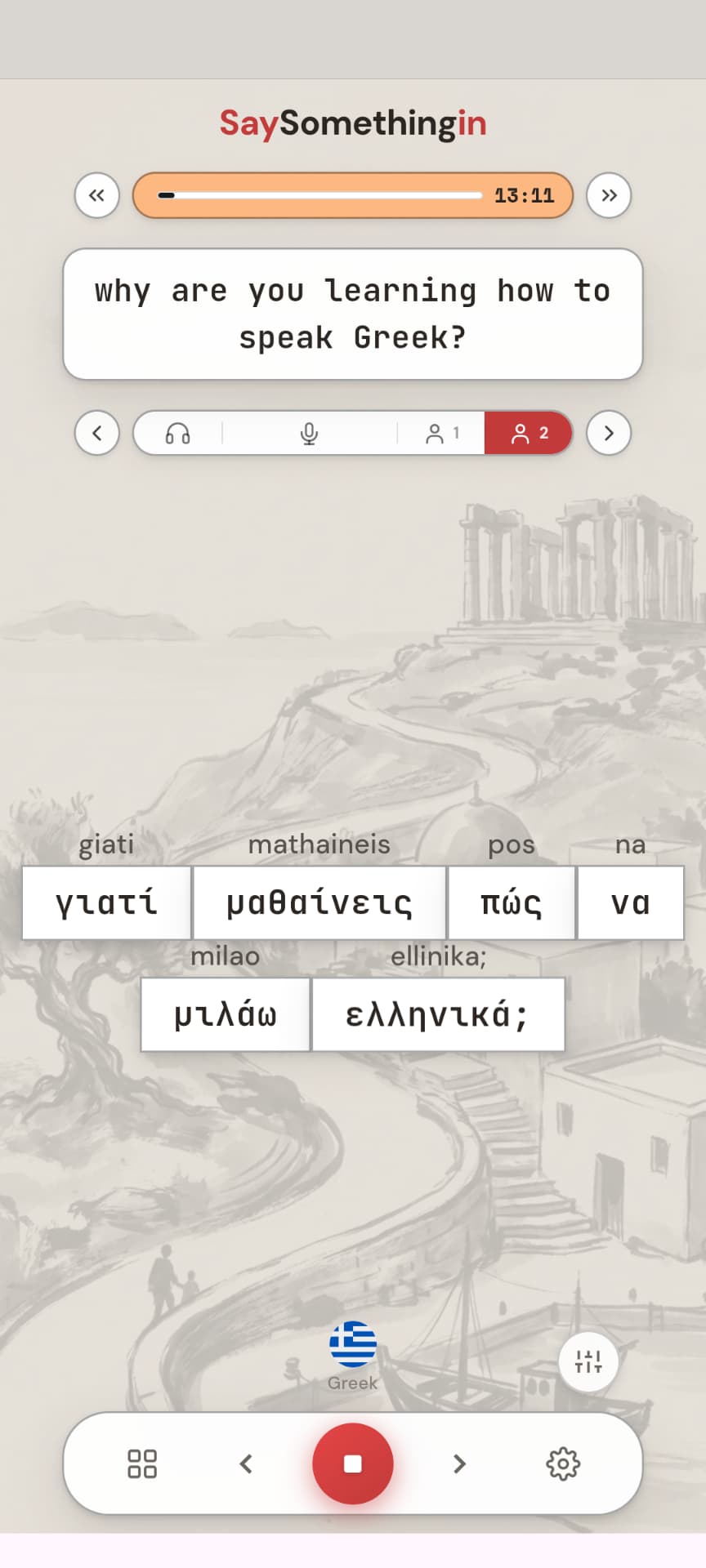
In the attached, I think that λέω is the first person singular: it should be third person referring back to “she”, although that form hasn’t yet been introduced.
I had the chance to confirm this with a Greek friend. They also suggested that the Greek version would be better with a αυτόν or αυτήν pronoun to make it clear whether it was referring to him or her.
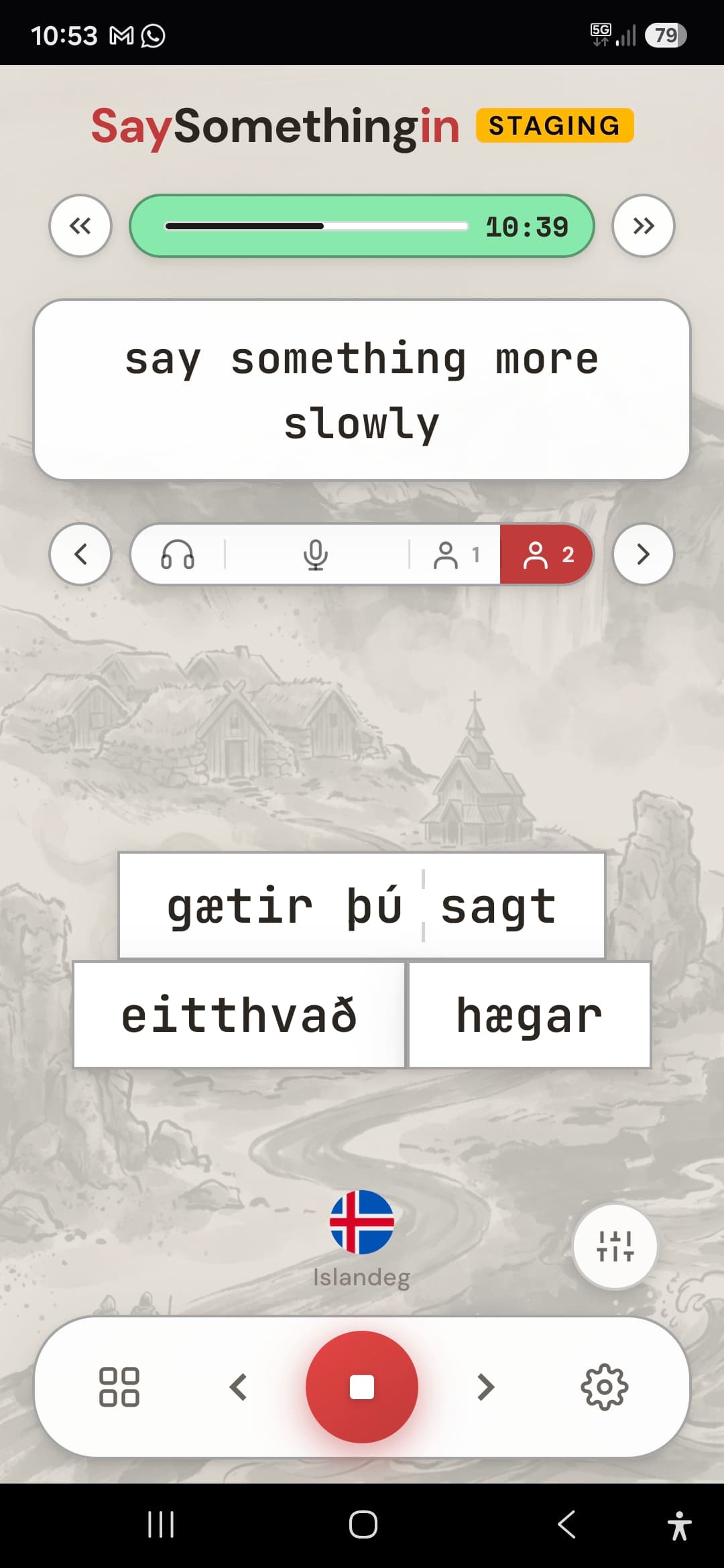
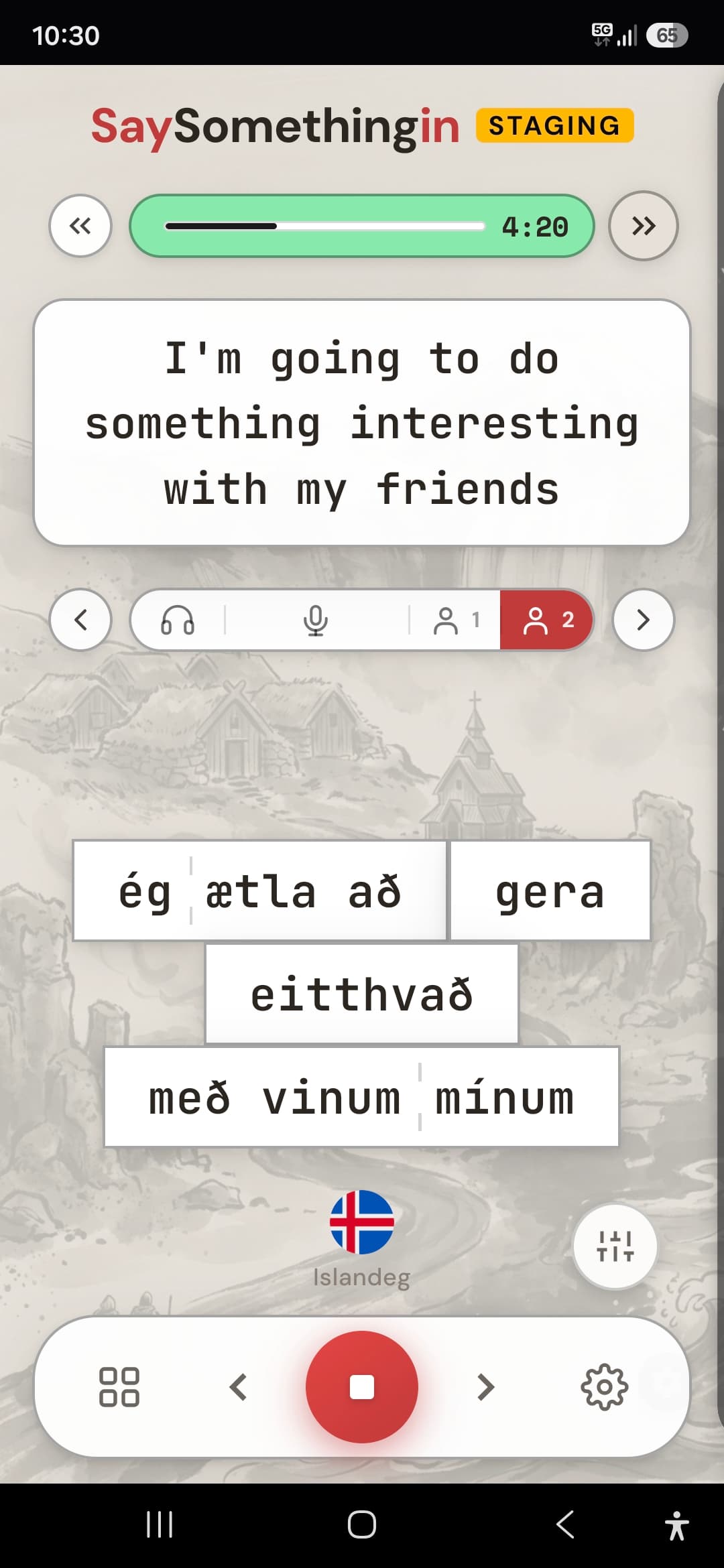
One tiny missing bit in the Icelandic course.
On a number of occasions the English prompt has started, “Trying to [do something]”. The Icelandic responses have started, “Ég er að reyna að ”.
This morning it was in green belt seed 54 when to put ‘setja’ was introduced.
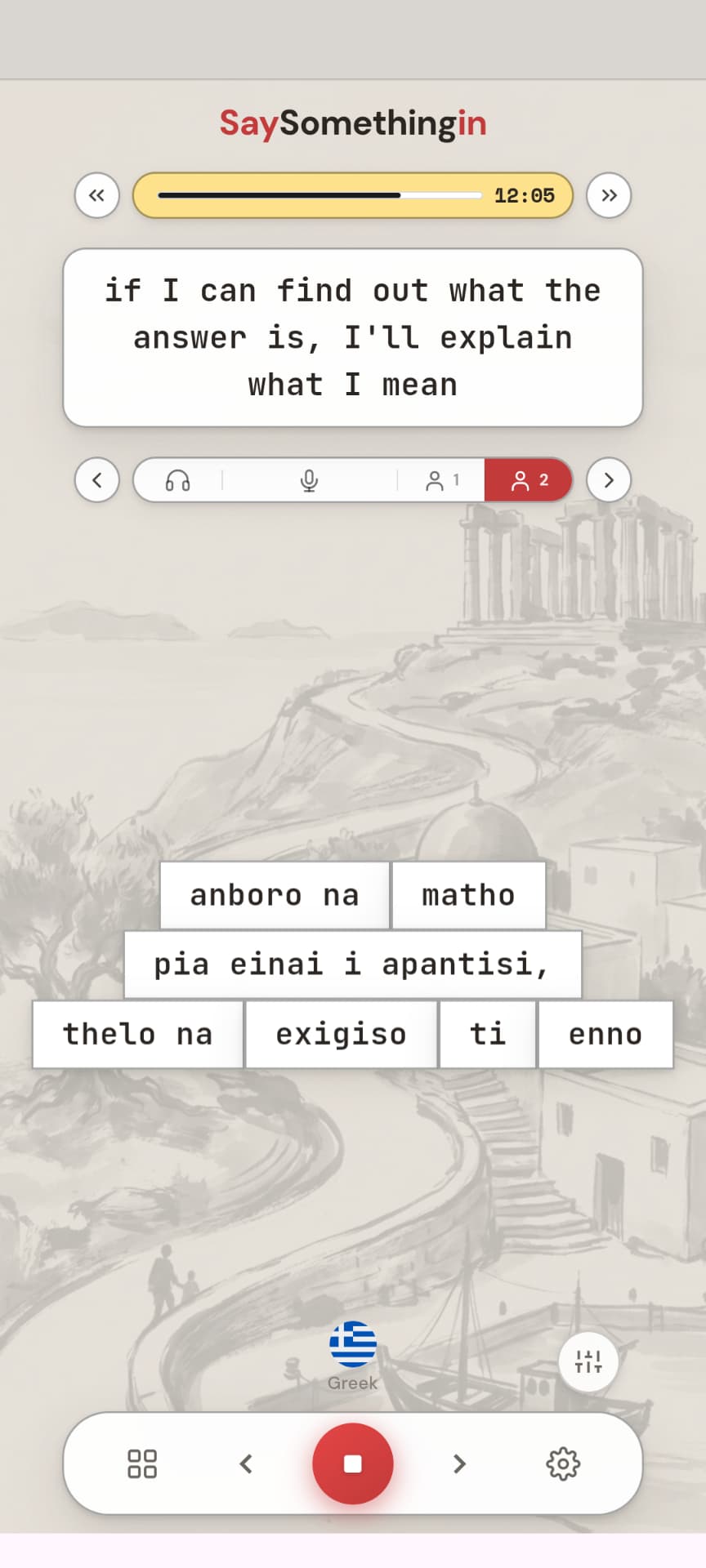
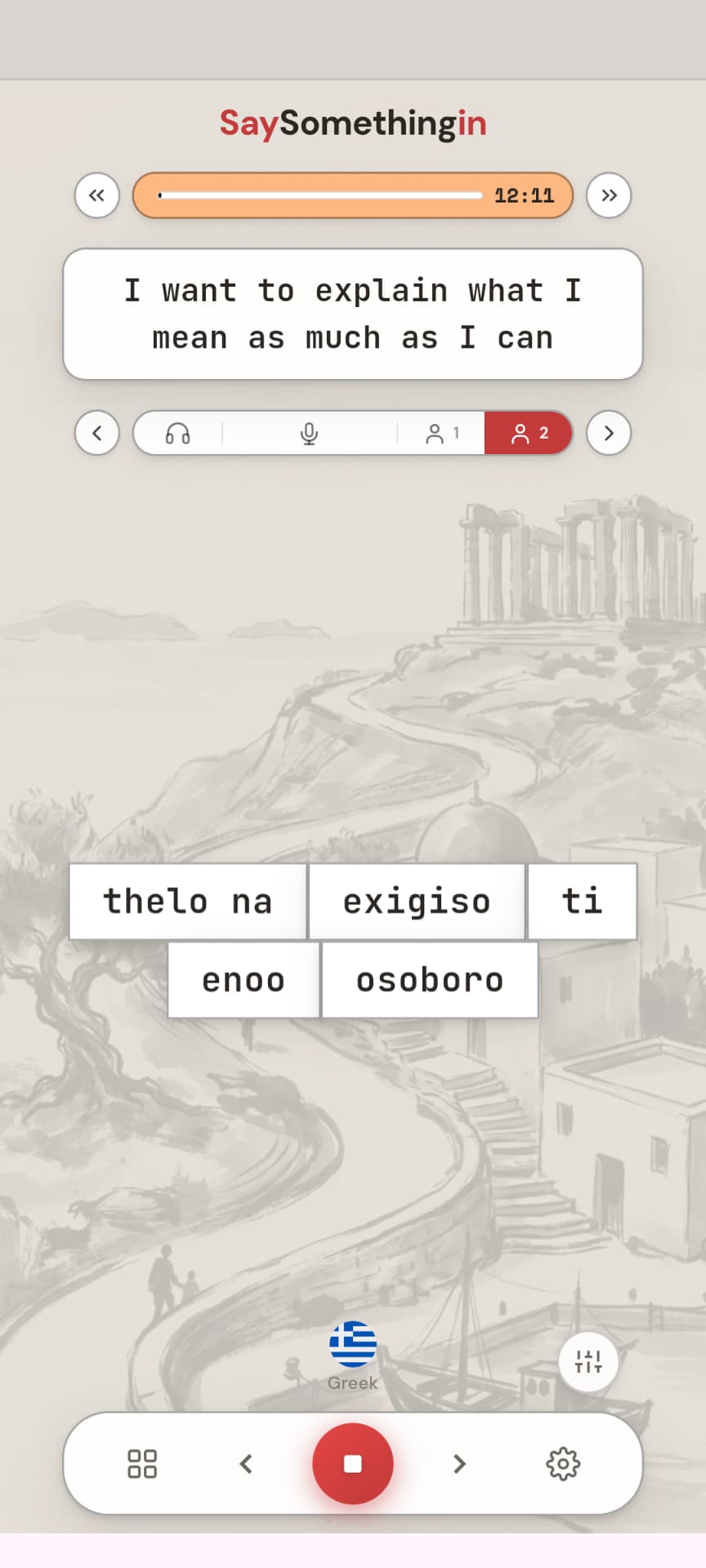
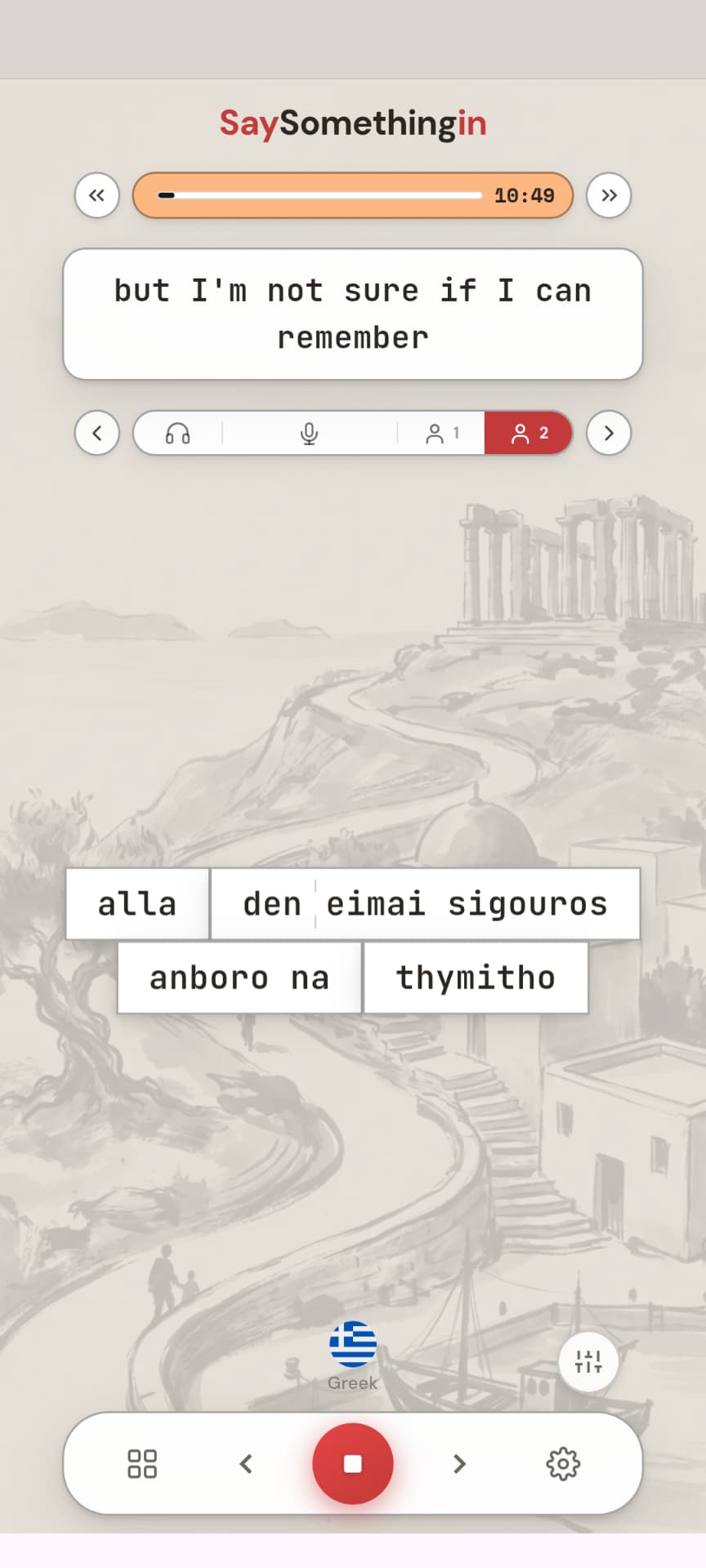
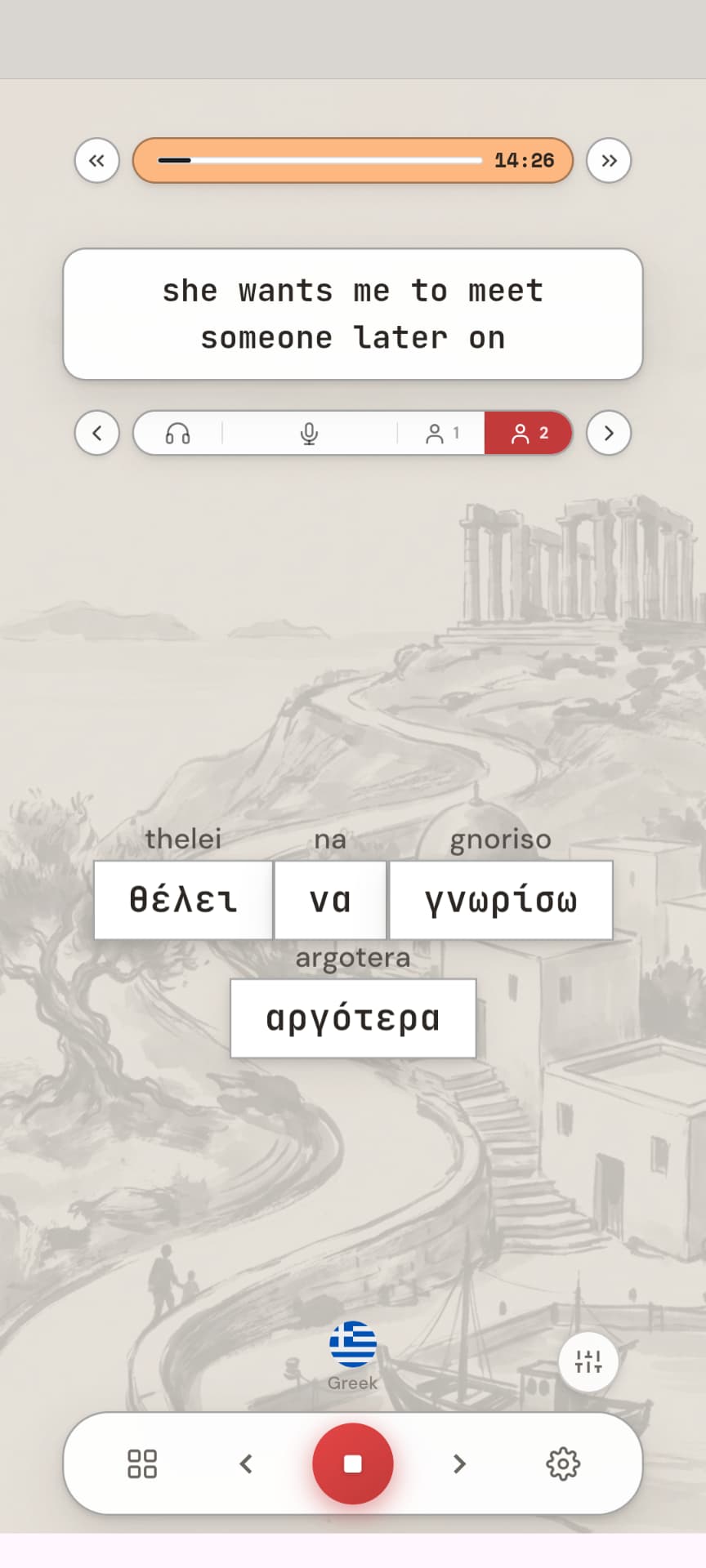
A couple of variations on familiar themes in Greek. Latin text should be an automatable QC test. It looks like verb agreement bridging “πώσ να” may be a root cause.
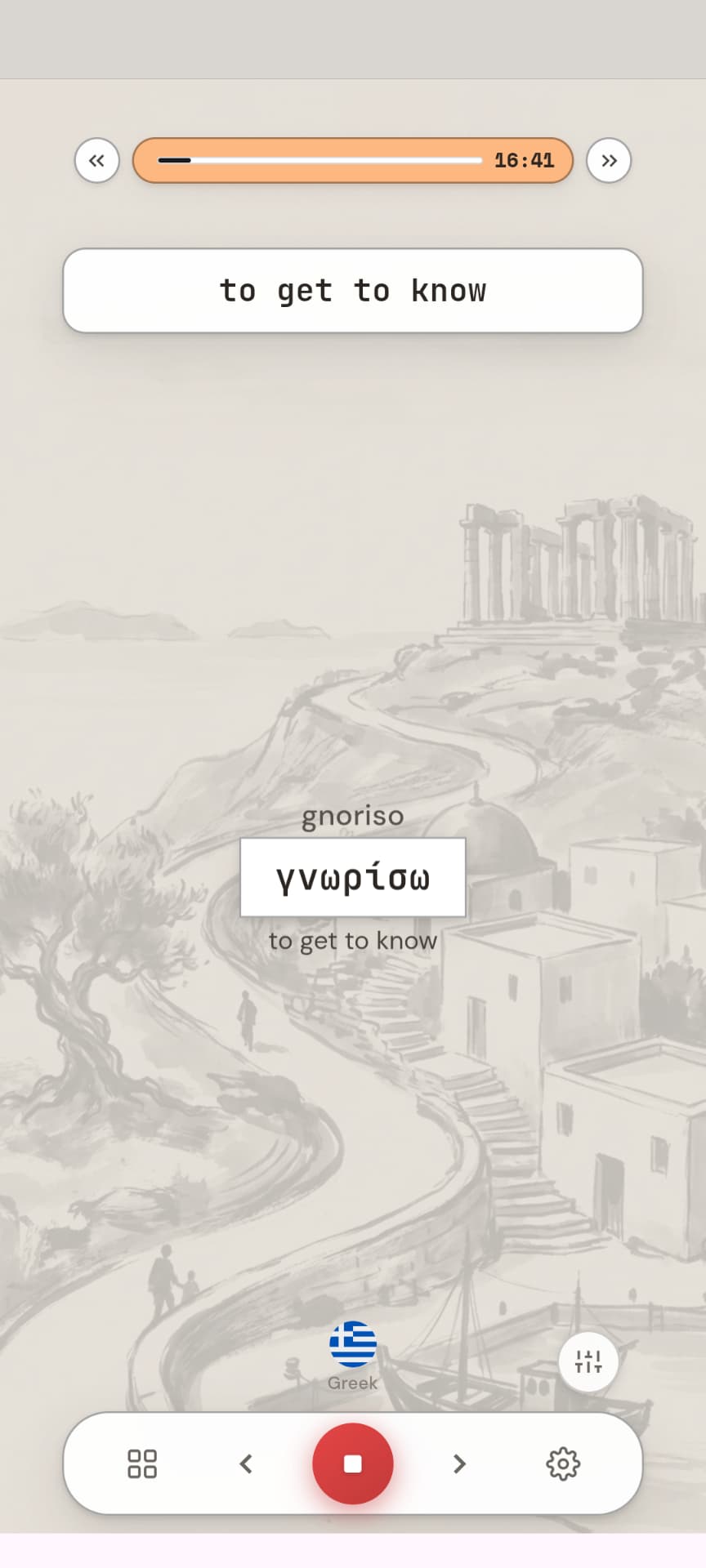
Also, the distinction between γνωρίσω (I met for the first time) and συναντξούμε (habitual) seems quite subtle, so it might be less perplexing if the contrast were highlighted explicitly (OK perplexity can be a good motivator, but only so far…). The verbal introduction for γνωρίσω says “the Greek for ‘to meet’ is…”, but the first prompt is “to get to know” which is more precise - is this difference intentional? I think there have been other similar examples, where the variations may in the long term clarify meaning, but the initial impression is of inconsistency.
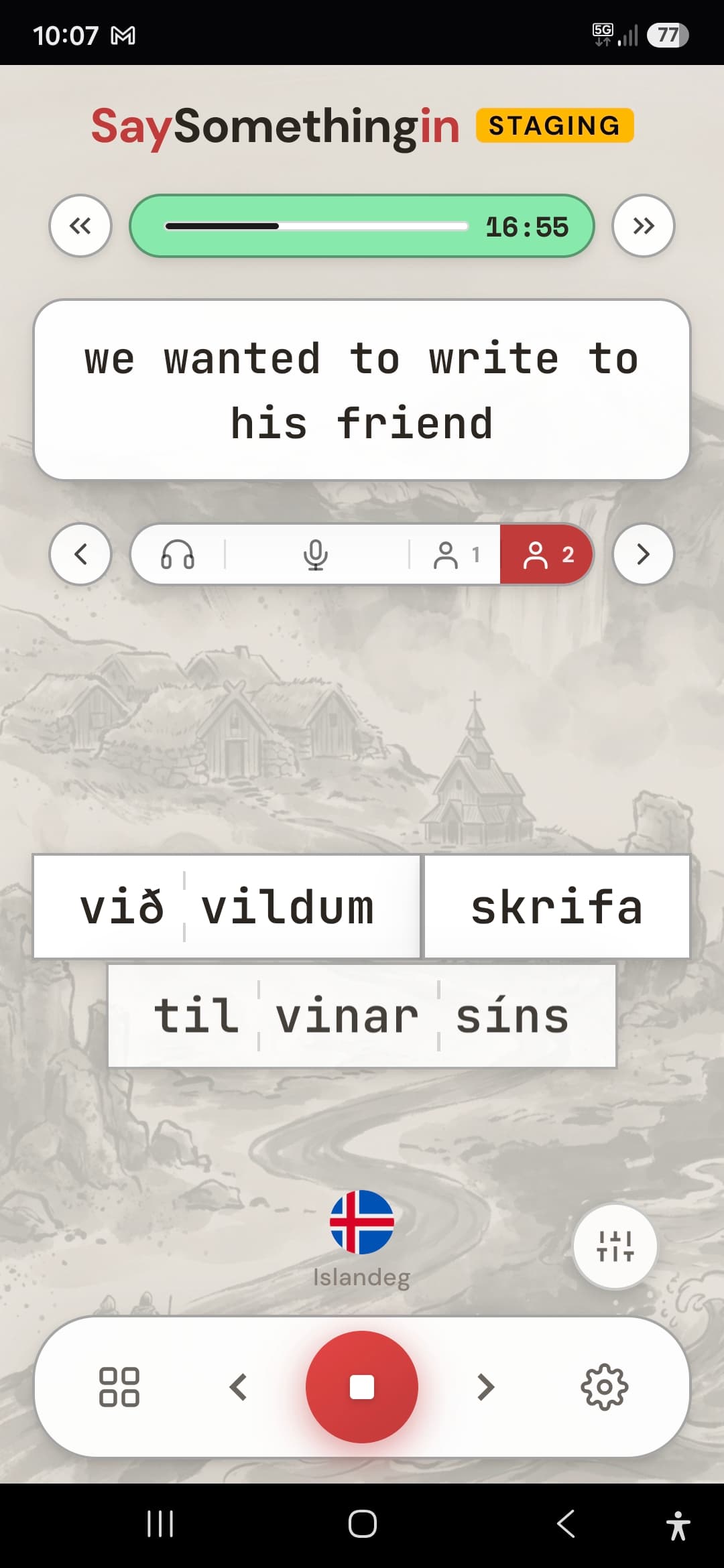
Still in Icelandic i think that there may be a grammatical error. In the two screenshots below “his” is given as “síns”. Previously it has been introduced as “hans”. As I understand it, and I may be wrong , “síns” means ‘his’ as in ‘his own’ and that the posessor of the item must also be the subject of the clause, which is not the case in either of these examples. Therefore it should be “hans” in these two.
I also think that the ‘til’ is superfluous (being a direct translation of the English) and that it should be ‘vini háni’ rather than ‘til vinar síns’.
 that might be a good idea!